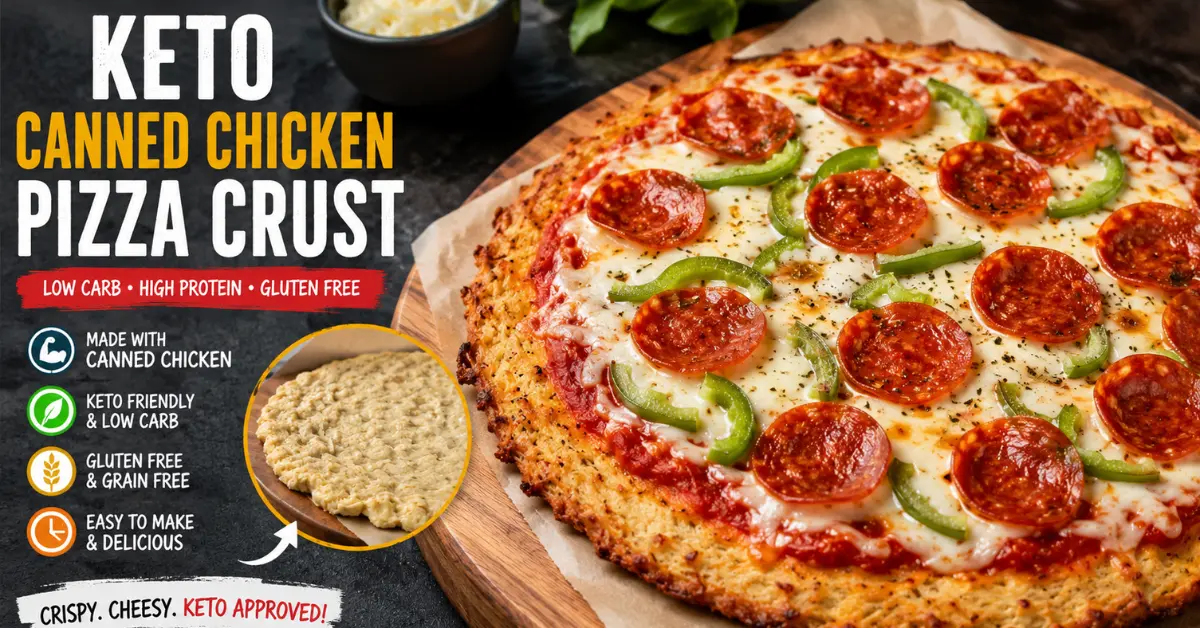
One of the most common questions from people beginning a ketogenic diet is simple: “What about pizza?” For decades, Keto Canned Chicken Pizza Crust has represented more than just food—it’s the centerpiece of social gatherings, family celebrations, and those late-night cravings that define comfort. When someone commits to keto, they’re often willing to sacrifice many foods, but the thought of permanently losing pizza feels like a sacrifice too far.
Enter the keto canned chicken pizza crust—a solution that emerged from the collective creativity of the keto community and completely changed the pizza game for low-carb dieters. This isn’t a compromise or a substitute that leaves you wanting. It’s a legitimate pizza alternative that delivers the same satisfaction, the same social experience, and the same delicious indulgence as traditional Keto Canned Chicken Pizza Crust, minus the carbohydrate spike that would derail your ketosis.
What makes this recipe particularly remarkable is how accessible it is. You don’t need specialty keto ingredients like almond flour or expensive monk fruit sweetener. You don’t need to order from specialty food companies or spend hours in the kitchen. You need three basic ingredients that cost less than four dollars combined, and thirty minutes of your time. The result is a pizza that not only fits your macros perfectly but actually provides nutritional benefits beyond what traditional pizza could offer.
This guide will walk you through everything you need to know about making, perfecting, and troubleshooting keto canned chicken pizza crust. Whether you’re brand new to keto or you’ve been in ketosis for years, whether you’re looking for a quick weeknight dinner or planning a pizza night with family, this comprehensive resource will give you the knowledge and confidence to create restaurant-quality pizza at home, every single time.
The Direct Answer: Your Keto Canned Chicken Pizza Crust Recipe
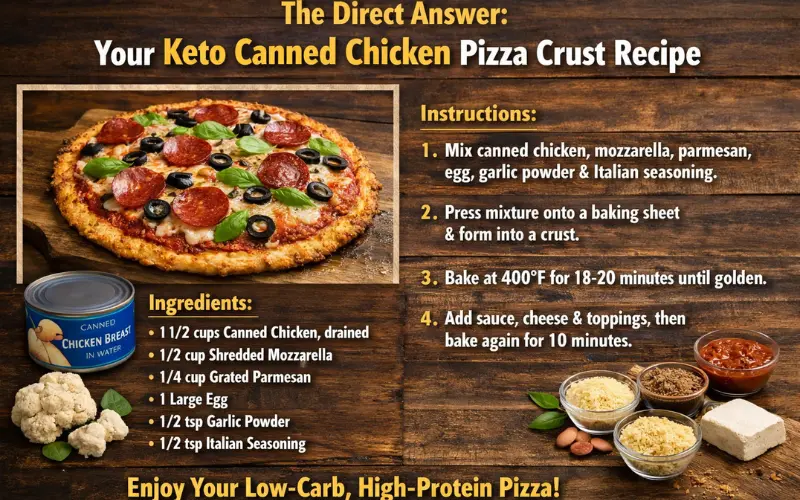
A keto canned chicken pizza crust is made by combining drained canned chicken, eggs, parmesan cheese, and seasonings into a paste, then baking it to form a crispy, protein-rich base. The result delivers an impressive 0 grams of net carbs per serving while providing 20+ grams of protein—making it one of the most efficient ways to satisfy Keto Canned Chicken Pizza cravings while maintaining ketosis.
Quick Comparison: Keto Pizza Crust Options
| Crust Type | Net Carbs | Protein | Ease | Cost | Taste |
|---|---|---|---|---|---|
| Canned Chicken Crust | 0g | 20g+ | ⭐⭐⭐⭐⭐ | $4-6 | Neutral (seasons well) |
| Fat Head Dough | 2-3g | 8g | ⭐⭐⭐ | $6-8 | Rich, cheesy |
| Cauliflower Crust | 3-4g | 5g | ⭐⭐ | $8-10 | Vegetable forward |
| Almond Flour Crust | 2g | 12g | ⭐⭐⭐⭐ | $7-9 | Nutty undertone |
Why canned chicken pizza crust wins: It’s the easiest to execute, fastest to prepare (30 minutes total), requires no specialty ingredients, and delivers zero carbs—making it the perfect solution for strict keto dinner who want pizza without compromise.
Why Keto Canned Chicken Pizza Crust Works So Well

The Science Behind Simplicity
Understanding why canned chicken becomes an exceptional Keto Canned Chicken Pizza crust base reveals the elegant simplicity behind this keto innovation. When you drain and slightly dehydrate canned chicken, the protein fibers become dense and spreadable. The eggs act as a binder, creating structural integrity through coagulation during baking. The parmesan cheese adds fat content and umami flavor while contributing to browning through the Maillard reaction. Together, these three components create a matrix that firms up during cooking without requiring flour or xanthan gum.
This biological transformation is fascinating when you think about it. The chicken protein denatures (unfolds) under heat, allowing the egg proteins to cross-link with the chicken matrix. This creates a three-dimensional structure that traps moisture and fat, resulting in a crust that has the textural properties of traditional pizza dough without any grain content. It’s a lesson in how understanding basic food science can unlock culinary possibilities previously thought impossible within dietary constraints.
The magic of a low carb pizza crust made from canned chicken lies in its protein-to-carb ratio. Unlike traditional Keto Canned Chicken Pizza made with wheat flour, which derives calories from carbohydrates, this chicken-based foundation converts nearly all calories into muscle-building protein. Your body processes protein differently than carbs—it requires more energy to digest (the thermic effect), helps stabilize blood sugar, and promotes satiety longer than carbohydrate-based meals. This is particularly valuable for people following a ketogenic diet, where maintaining ketosis requires keeping net carbs extremely low.
Another often-overlooked advantage emerges from the nutritional profile: canned chicken Keto Canned Chicken Pizza crust supports your body’s electrolyte balance better than grain-based alternatives. Chicken provides significant amounts of potassium and magnesium—two minerals critical for ketogenic adaptation that many keto dieters struggle to maintain. This makes the zero carb pizza option not just a workaround, but potentially a nutritionally superior choice for long-term keto success.
Step-by-Step Guide: Making Perfect Keto Canned Chicken Pizza Crust

Creating restaurant-quality keto canned chicken pizza requires attention to moisture management, seasoning layering, and baking technique. Follow this precise method to achieve a crispy exterior with optimal texture.
Preparation Phase (5 minutes): Begin by opening your canned chicken and placing it in a fine-mesh strainer. Press firmly with a spatula or paper towels for two to three minutes, removing as much liquid as possible. This step is non-negotiable—excess moisture prevents proper browning and creates a soggy base. Think of this moisture removal as the foundation of your entire crust success.
Many home cooks underestimate how much liquid canned chicken contains. The liquid isn’t just water—it often contains dissolved proteins and minerals that, when present in excess, prevent the browning process from occurring properly. You’re aiming for chicken that feels almost dry to the touch before it goes into the oven. Some experienced cooks even place the drained chicken in a clean kitchen towel and give it a gentle squeeze to extract even more moisture.
Transfer the pressed chicken to a parchment-lined baking sheet and spread into a thin, even layer, no more than half an inch thick. Bake at 350°F for exactly 10 minutes. This pre-baking step partially dehydrates the chicken and begins the browning process, which enhances flavor and reduces final moisture content. While the chicken bakes, you’ll notice the surface beginning to turn golden—this is the desirable browning you want, and it happens because the remaining moisture is evaporating and the chicken proteins are reacting with natural sugars in the meat.
Mixing Phase (3 minutes): While chicken pre-bakes, crack two large eggs into a mixing bowl and whisk until combined. Add two ounces of finely grated parmesan cheese (not the shaker kind, as it contains anti-caking agents that affect texture), one teaspoon of Italian seasoning, and a pinch of salt. The Italian seasoning is crucial because plain canned chicken carries minimal flavor—the herbs provide complexity that makes people forget they’re eating a protein-based crust.
The role of eggs in this recipe deserves more attention than it typically receives. Eggs are nature’s perfect emulsifier and binder. When heated, the albumin proteins denature and form a solid network that traps fat and moisture. This network is what transforms loose chicken pieces into a unified crust structure. Whisk the egg mixture until smooth and fully integrated, but don’t over-whisk—you’re not making meringue, just ensuring everything is evenly distributed. You should end up with a pale yellow mixture that shows no streaks of white.
Combining Phase (2 minutes): Remove partially-baked chicken from the oven and add it to your egg mixture. Fold gently but thoroughly until every piece of chicken is coated with the egg binder. You’re looking for a chunky paste texture—avoid over-mixing, which can make the crust dense and rubbery. The folding technique matters here: use gentle, sweeping motions that combine ingredients without breaking down the chicken pieces unnecessarily. Think of folding a soufflé—you want to incorporate without deflating or compacting. Increase oven temperature to 475°F while you’re mixing. This oven preheat is crucial for achieving the proper browning on the final crust.
Crust Formation Phase (10 minutes): Spread the mixture onto a fresh parchment-lined baking sheet, aiming for approximately half-inch thickness. Use a spatula or the back of a spoon to create an even surface, which is important for consistent baking. Uneven thickness means some areas will brown while others remain pale. Place in the preheated 475°F oven and bake for exactly 10 minutes. You’ll see the edges begin to brown and pull slightly away from the parchment—this indicates proper protein denaturation and browning. The surface should look set and feel firm when gently touched with a utensil. Some people note a slight smell of roasted chicken during this phase, which is normal and indicates proper flavor development.
Finishing Phase (8-15 minutes): Remove the crust from the oven and add your desired toppings. This is where your keto pizza crust recipe becomes personalized. Before adding toppings, brush the exposed edges lightly with olive oil for additional browning and crispness. This step creates that desirable golden-brown rim you see on pizzeria Keto Canned Chicken Pizza . Reduce oven temperature to 425°F, then add your toppings evenly across the surface. Whether you prefer cheese and meats, vegetables, or a combination, distribute them without overloading—too many toppings trap steam and prevent proper browning. Return to the oven for 8-12 minutes, depending on topping thickness. Remove when the cheese reaches your preferred browning level, watching carefully to prevent over-cooking.
Critical Tip: Let the finished Keto Canned Chicken Pizza Crust cool for 3-4 minutes before slicing. This allows the proteins to fully set, preventing the crust from falling apart when you cut it. The residual heat continues to cook the interior slightly, firming up the structure.
Alternative Keto Pizza Crust Solutions for Different Preferences
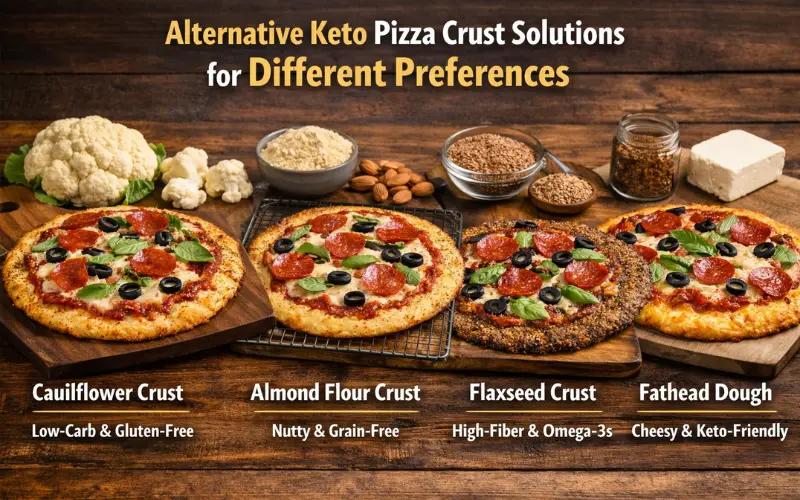
While keto canned chicken pizza crust represents the gold standard for simplicity and zero-carb content, your keto journey may have specific requirements that benefit from alternatives. Understanding these variations helps you choose the option that best fits your lifestyle, taste preferences, and dietary needs.
Ground Chicken Pizza Crust: The Texture Alternative
For those preferring a more traditional texture, ground chicken (85/15 lean) creates a slightly less dense crust with a more pizza-like mouthfeel. Use the same ratio—approximately 20 ounces ground chicken to 2 eggs and 2 ounces parmesan. The primary advantage is texture; the crust becomes slightly lighter and less protein-forward in taste. The disadvantage is slightly higher cooking time (15 minutes at 475°F) and increased oil splatter during baking. Ground chicken also requires more careful mixing to avoid compacting, which can result in a rubbery texture.
This option works particularly well for people who find the canned chicken version too protein-forward in flavor or who prefer a crumblier, less dense crust. Some people report that ground chicken versions more closely resemble traditional Keto Canned Chicken Pizza , making the eating experience feel more familiar. The carb profile remains virtually identical to canned chicken versions.
Turkey-Based Pizza Crust: The Lean Protein Option
Ground turkey (93/7 lean) offers lower fat content but delivers similar carb profiles. Use 18 ounces ground turkey (slightly less than chicken due to lower fat content affecting binding) with the same egg-parmesan ratio. This variation appeals to people watching saturated fat intake while maintaining ketogenic macros. The tradeoff is real: turkey lacks the richness of chicken, sometimes resulting in a slightly drier mouthfeel unless you increase egg content to three large eggs.
For those following a more aggressive fat-restricted approach or those sensitive to saturated fat intake, turkey provides a valid alternative. The preparation method remains identical—pre-bake, mix with eggs and cheese, spread, and bake through the standard phases. Some people find that adding one tablespoon of heavy cream to the egg mixture improves moisture and texture when using turkey.
Carnivore Pizza Crust: The All-Meat Approach
Keto Canned Chicken Pizza Crust For strict carnivore followers or those doing elimination diets, eliminate the parmesan and replace with full-fat mozzarella cheese. This creates a slightly stretchier, more traditionally pizza-like texture. The additional dairy content adds richness that some find superior to parmesan-based versions. This variation appeals to people with dairy sensitivities to parmesan specifically (though mozzarella is also dairy-based, the protein structure is different). The mozzarella provides better melting and creates a more cheese-forward crust that some people prefer.
Use equal weight of mozzarella (2 ounces) as you would parmesan. You may notice the crust becomes slightly greasier due to mozzarella’s higher fat content—this is normal and actually creates a more satisfying mouthfeel for many people.
Dairy-Free Low Carb Pizza Crust: The Plant-Forward Option
Eliminate parmesan entirely and use nutritional yeast (1 tablespoon) combined with garlic powder (1/2 teaspoon) and sea salt (1/4 teaspoon). This creates a surprisingly flavorful crust for those avoiding all dairy while maintaining the zero-carb profile. The nutritional yeast provides umami and B vitamins, though the texture becomes slightly less crispy. This option serves people with lactose intolerance or those following a plant-forward keto approach.
The flavor Keto Canned Chicken Pizza Crust profile shifts dramatically with nutritional yeast—you get a cheesy, savory flavor without any dairy. Many people who’ve tried this version report it’s indistinguishable from traditional parmesan versions, with the added benefit of nutritional yeast’s nutritional profile including B-complex vitamins and folic acid.
Common Mistakes That Ruin Your Keto Pizza Crust (And How to Avoid Them)
Mistake 1: Skipping the Moisture Removal Step
The most prevalent error people make when preparing keto canned chicken pizza crust is insufficient moisture removal from the initial canned chicken. Canned chicken sits in a salty broth that seems harmless, but that liquid contains proteins and minerals that actively prevent browning. When you skip the thorough drying process, you end up with a crust that steams instead of bakes—resulting in a texture more similar to overcooked chicken than Keto Canned Chicken Pizza . The solution isn’t complex: spend the full five minutes pressing moisture out, or even place your drained chicken in cheesecloth and gently squeeze it. Your crust quality will improve dramatically.
Mistake 2: Cooking at Incorrect Temperatures
Oven temperature precision matters significantly more with protein-based low carb pizza crust than with traditional pizza. Canned chicken pre-baked at 325°F instead of 350°F won’t dehydrate properly. Similarly, the final crust baked at 425°F instead of 475°F won’t develop the crispy exterior that makes Keto Canned Chicken Pizza Crust satisfying. Invest in an inexpensive oven thermometer if your oven doesn’t maintain accurate temperatures. Many home ovens run 25-50 degrees hot or cold, making calibration essential for consistent results.
Mistake 3: Over-Mixing the Chicken-Egg Combination
It’s tempting to thoroughly incorporate all ingredients, but over-mixing compacts the chicken pieces and creates a dense, rubbery texture. The folding motion should be gentle and intentional, leaving some visible chunks of chicken in the final mixture. Think of combining ingredients just enough to distribute the binder, not to homogenize everything into a uniform paste.
Mistake 4: Using the Wrong Type of Parmesan
Pre-shredded parmesan cheese contains anti-caking agents (usually cellulose) that affect texture and browning. These additives create a slightly chalky taste and prevent proper browning. Always use block parmesan that you grate yourself, or purchase freshly grated parmesan from the cheese counter if you don’t have time to grate it.
Mistake 5: Overloading with Toppings
More toppings isn’t better for keto canned chicken pizza crust. Excessive toppings trap steam, preventing the crust from achieving proper browning and creating a soggy texture. Use a light to moderate topping amount, distributing them evenly so the oven heat can access the entire surface.
Frequently Asked Questions
Q1: Why does my crust come out soggy despite following the recipe?
First, check your oven temperature accuracy with an inexpensive oven thermometer. Many home ovens run cooler than displayed, preventing proper dehydration and browning. Second, slightly increase the parmesan cheese ratio to 2.5 ounces per 20 ounces chicken, as additional fat helps create crispness and absorbs some moisture. Third, ensure you’re spreading the mixture to the correct thickness (approximately half-inch)—spreading it too thickly traps moisture in the center. Finally, avoid adding toppings that release additional moisture (like fresh tomatoes) without draining them first; pat wet ingredients dry before adding.
Q2: Can I make this crust ahead and freeze it?
Absolutely. Prepare the unmixed canned chicken (pre-baked and cooled) and store it in a freezer-safe container for up to three months. Mix with eggs and cheese immediately before your second baking phase. Alternatively, prepare the complete mixed (but unbaked) mixture on parchment paper, freeze on a sheet pan for four hours, then transfer to a freezer bag. When ready to bake, add one to two minutes to cooking time. Do not pre-bake the final crust and then freeze, as this changes the texture upon reheating.
Q3: What’s the best canned chicken brand for pizza crust?
Look for brands containing only chicken, salt, and water in the ingredient list. Avoid brands adding starches, sugars, or broth, as these add hidden carbs. Member’s Mark (Sam’s Club), Vital Farms, and Chicken of the Sea are consistently recommended. Budget brands sometimes include cellulose or preservatives that affect texture and flavor. Read labels carefully—some “all-natural” brands still contain additives. Buy the product stored in water rather than oil, as oil adds unnecessary calories without flavor benefit for pizza crust applications.
Q4: How do I store leftovers, and can I reheat?
Store leftover pizza in an airtight container in the refrigerator for up to four days. To reheat, place on a conventional oven tray at 350°F for 5-7 minutes until the cheese melts and the crust warms through. Avoid microwaving, which creates uneven heating and soggy texture. The crust actually improves slightly as it sits—the proteins continue to set, creating more structural integrity. Many people find day-two Keto Canned Chicken Pizza Crust superior to fresh because the flavors have melded and the crust has firmed further.
Q5: Can I use rotisserie chicken or fresh cooked chicken instead of canned?
Yes, but with modifications. Fresh or rotisserie chicken contains more moisture than canned, requiring pre-baking at 375°F for 15 minutes instead of 10. Roughly shred the chicken first, then measure by weight (approximately 20 ounces shredded, which equals roughly one medium rotisserie chicken). The advantage is potentially superior flavor and texture control. The disadvantage is significantly more preparation time and inconsistent moisture content between batches. Most people find canned chicken superior due to consistency and convenience, though fresh versions appeal to those valuing minimally processed foods.
Q6: What are the complete nutritional macros for this recipe?
A typical batch serving two people (8 slices total) contains approximately: calories 210 per slice, fat 14.5 grams, protein 20 grams, net carbs 0 grams, and fiber 0 grams. Macros scale precisely with ingredient amounts—if you use more cheese, increase fat content proportionally. Remember these macros exclude toppings; Keto Canned Chicken Pizza Crust toppings add to the final nutritional profile. For accurate tracking, weigh your final cooked crust and divide by the number of slices you cut, then add individual topping macros.
Q7: Why does the recipe call for pre-baking the chicken separately?
Pre-baking serves multiple purposes: it partially dehydrates the chicken (essential for crispness), begins browning the surface (developing complex flavors through the Maillard reaction), and slightly firms the texture before mixing with wet ingredients. Without this step, the raw chicken-egg mixture often steams rather than bakes, creating a dense, rubbery texture. The pre-bake also reduces final baking time, preventing over-browning of the crust while topping cheese reaches ideal melt.
Q8: Can I make a thicker crust, like deep-dish style?
Absolutely. Instead of half-inch thickness, spread the mixture to three-quarter-inch thickness and increase baking time from 10 to 12-13 minutes at 475°F. Add approximately one more egg and half-ounce additional parmesan to provide adequate binding for the increased volume. The result resembles Chicago deep-dish pizza more closely. Some people prefer this version because it’s more structurally robust for heavy toppings and provides a more substantial Keto Canned Chicken Pizza Crust experience. The carb profile remains zero grams.
Q9: Does this crust work with vegetarian toppings?
Yes, completely. Many people use this crust with vegetables like bell peppers, mushrooms, olives, spinach, and tomato sauce. Because the crust itself is protein-rich and zero-carb, vegetarian-topped versions still provide excellent nutritional benefits. The combination of protein-based crust with veggie toppings creates a more balanced meal than traditional vegetarian Keto Canned Chicken Pizza Crust. Just ensure your pizza sauce is low-carb (check labels—some marinara contains hidden sugars; Rao’s brand is consistently recommended for under 3g net carbs per serving).
Q10: How does this crust compare nutritionally to store-bought keto pizza products?
Homemade keto canned chicken Keto Canned Chicken Pizza Crust is superior in most metrics: lower cost ($4-6 per pizza versus $12-15 store-bought), comparable or better macros (0g carbs, 20g+ protein), and superior freshness (no preservatives). Store-bought options occasionally exceed 2-3g net carbs and contain fillers like xanthan gum and cellulose. The primary advantage of store-bought is convenience—you skip the 30-minute preparation. However, homemade versions taste noticeably fresher and deliver superior crispy texture due to being consumed immediately after cooking rather than thawed from frozen.
Final Thought
When the ketogenic diet first gained mainstream attention, the biggest sacrifice people feared wasn’t desserts or bread—it was pizza. The foods we eat socially, the meals that define celebrations and casual gatherings, suddenly felt off-limits. Keto pizza crust made from canned chicken solved this problem in a way that felt less like compromise and more like discovery.
What makes this solution remarkable isn’t just that it delivers zero carbs. It’s that canned chicken pizza crust accomplishes something deeper: it restores normalcy to your dietary life. You can order toppings with friends, slice into something that resembles actual Keto Canned Chicken Pizza Crust, and feel genuinely satisfied rather than depleted. For many people, this single recipe became the difference between sustainable long-term ketosis and abandoning the lifestyle out of sheer fatigue.
The science supporting this approach is equally compelling. Your body treats the protein-based crust differently than carbohydrate-based alternatives—it stabilizes blood sugar, extends satiety, and removes the post-meal energy crashes many people experience after traditional Keto Canned Chicken Pizza Crust. You’re not sacrificing anything; you’re upgrading.