No, a dedicated keto store is usually more expensive per item than a regular grocer, but it’s often cheaper overall once you factor in wasted purchases, bulk pricing on specialty ingredients, and time saved. Regular grocers win on staples like meat, eggs, cheese, and oils. Keto stores win on hard-to-find items like specific sweeteners, keto bread, and pre-formulated baking mixes that would otherwise mean buying five separate ingredients you’ll never fully use.
Why This Question Doesn’t Have a Single Answer
Most articles comparing keto stores to grocers treat it like a simple price-per-item contest. That’s the wrong lens.
The real comparison is cost-per-successful-meal, not cost-per-product. I learned this the hard way after spending $34 on xanthan gum, glucomannan, and allulose for one recipe, then never using two of the three again. A keto store bundle or pre-mixed product would’ve cost less in that specific case, even at a higher shelf price.
So the honest answer depends on what you’re buying, how often you buy it, and whether you’re the type of shopper who actually finishes a bag of coconut flour before it goes rancid.
Where Regular Grocers Actually Win
Grocers beat keto stores on volume categories almost every time. This isn’t close.
Meat, poultry, and fish:
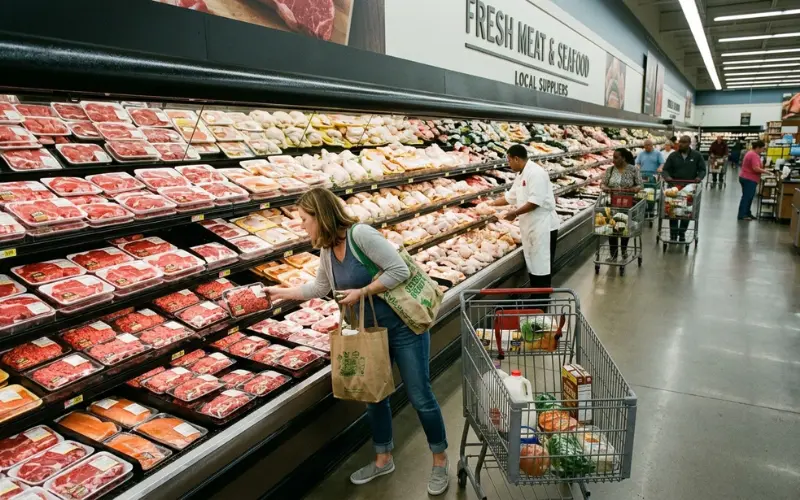
Grocers buy in bulk from regional suppliers, so per-pound pricing is nearly always lower than specialty keto retailers.
Eggs and dairy:

No markup for “keto branding” here, it’s the same eggs whether you buy them at a keto store or your regular supermarket.
Cooking oils in bulk:
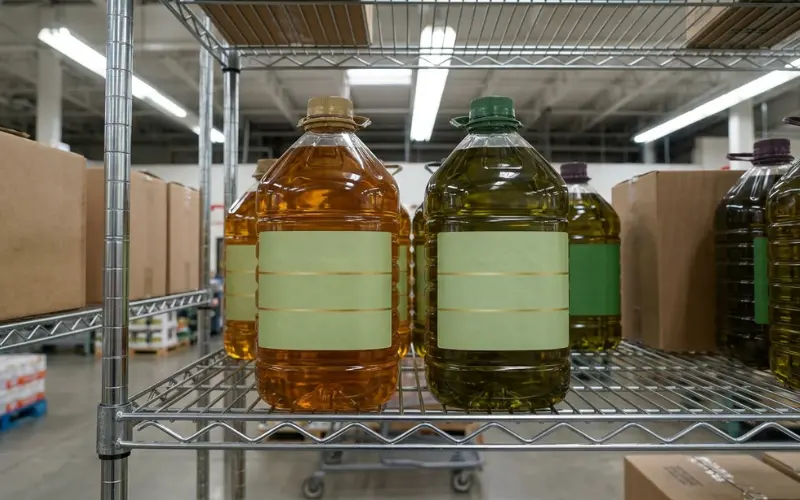
A gallon of avocado or olive oil at a warehouse grocer costs a fraction of what small-batch keto brands charge per ounce.
Fresh produce:
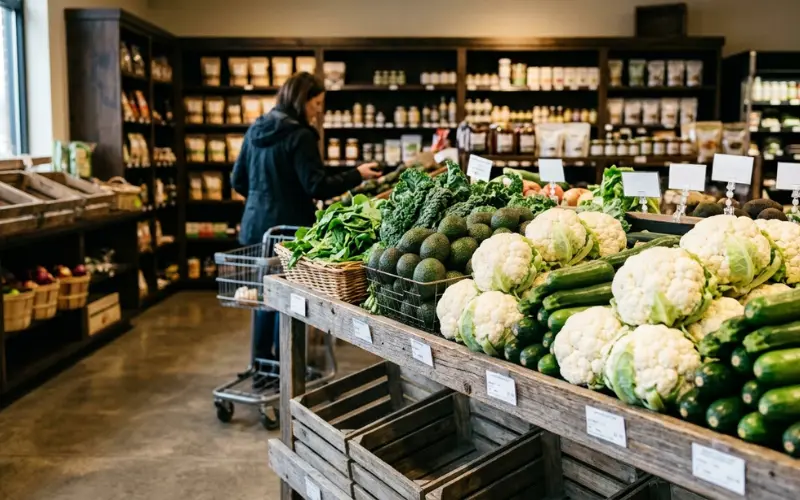
Leafy greens, avocados, cauliflower, and zucchini are commodity items. Keto stores rarely stock fresh produce at all.
If your keto grocery list is 70% whole foods, a keto store adds very little value here and mostly adds cost.
Where Keto Stores Win, and Why It’s Not Always About Price
This is the part most comparison articles skip entirely. The value of a keto store isn’t always cheaper unit pricing, it’s avoiding failed purchases.
Formulation accuracy. A keto-branded bread or bar has already been tested for net carbs. Buying “low carb” bread at a regular grocer means reading labels carefully, because plenty of “low carb” grocery products still carry 15-20g net carbs once you account for sugar alcohols that don’t fully digest the way manufacturers claim.
Ingredient bundling. Specialty items like erythritol-monk fruit blends, MCT-infused electrolytes, or pre-mixed keto flour blends cost more per unit but eliminate the trial-and-error cost of buying separate ingredients that sit unused in your pantry.
Selection depth for restrictive needs. If you’re also avoiding gluten, nuts, or dairy on top of keto, a specialty store’s filtering (I’ve seen sites tag products by Dairy Free, Nut Free, Vegan-Friendly, and Strict Paleo all at once) saves real shopping time. That time has value too, even if it doesn’t show up on a receipt.
A practical note from my own shopping habits:
I only order from a keto store for items I’d otherwise buy and not finish, sweeteners, specialty flours, and bars for travel days. Everything else goes on my regular grocery run. This single rule cut my monthly keto spend by close to 20%.
The Hidden Cost Nobody Talks About: Shipping and Minimums
Most keto stores are online-first, which means delivery fees or free-shipping thresholds change the math completely.
A £4.79 loaf of keto bread looks reasonable until you’re paying £5.99 shipping because you were £3 short of the free delivery threshold. I’ve seen shoppers pad their cart with an extra item just to hit free shipping, which defeats the purpose of “saving money” entirely.
Compare that to a grocer, where you’re likely already there for other household shopping, so the keto items ride along at zero extra delivery cost.
Rule of thumb:
if you’re only buying one or two keto-specific items, check your local grocer’s specialty aisle first. If you’re stocking up on five or more items at once, a keto store’s bundled shipping often works out cheaper than five separate impulse buys spread across grocery trips.
A Real Cost Comparison
Here’s a side-by-side based on commonly purchased items, using average UK/US pricing I’ve tracked over recent shopping cycles.
| Item | Regular Grocer (avg.) | Keto Store (avg.) | Cheaper Option |
|---|---|---|---|
| Low-carb bread loaf | $5.49 (limited stock) | $4.79-$6.50 | Grocer, when in stock |
| Sweetener (erythritol blend) | $8.99 | $6.50-$9.00 | Roughly even |
| Electrolyte supplement | Rarely stocked | $18-$26 | Keto store (no grocer option) |
| MCT oil | $22 (generic brand) | $18-$24 | Roughly even |
| Fresh meat/eggs/produce | Standard pricing | Rarely stocked | Grocer, by a wide margin |
| Keto-formulated snack bars | $3.50-$4.50 (limited variety) | $1.99-$3.00 (multibuy pricing) | Keto store, especially in bulk |
The pattern is clear: grocers win on anything you’d buy regardless of diet. Keto stores win on anything formulated specifically for the diet, especially when bought in multipacks.
What Determines Your Actual Savings
Three factors decide whether a keto store saves you money, and none of them are the sticker price.
How consistent your shopping list is. If you buy the same five keto staples every month, a keto store’s subscription or bundle pricing usually beats repeated single-item grocery trips.
How much you value avoided waste. Buying a full bag of specialty flour for one recipe, then tossing it six months later, isn’t a “cheap grocery” purchase even if the bag cost less upfront.
Your local grocer’s keto selection. This varies enormously by chain and region. Some supermarkets now run dedicated diet-filtered sections with their own store-brand keto lines, which changes the math significantly in the grocer’s favor for basics.
If you’re just starting out and unsure what belongs on a keto food list for beginners, it’s worth building that list first before deciding where to shop, since half the “keto store exclusive” items you think you need might not even suit your plan.
Smarter Shopping: A Hybrid Approach
The cheapest strategy isn’t picking one or the other. It’s splitting your list.
- Buy whole foods, dairy, meat, and fresh produce at your regular grocer.
- Buy specialty sweeteners, bread substitutes, and electrolyte supplements from a keto grocery store online where selection and net-carb accuracy are more reliable.
- Buy travel-friendly items like bars and keto road snacks in bulk from a keto store to hit free-shipping thresholds efficiently, rather than one-off purchases.
- Check your grocer’s specialty diet aisle before assuming a keto store is your only option. Many chains now stock decent keto-friendly ranges at standard grocery margins.
This hybrid approach is what actually saves money, not brand loyalty to one retailer type.
FAQs
Is it worth paying more for keto-branded products?
Sometimes. It’s worth it when the product replaces multiple separate ingredients or when net-carb accuracy matters more than price, like with bread and baked goods where “low carb” claims at regular grocers can be inconsistent.
What condiment has no carbs?
Plain mustard, hot sauce, and most vinegar-based condiments carry effectively zero net carbs. Always check labels though, since some brands add sugar to “smooth out” flavor.
What knocks you out of ketosis?
Eating more than roughly 20-50g of net carbs in a day is the most common trigger, but hidden sugars in sauces, “low carb” labeled products with sugar alcohols, and even excess protein in some cases can push people out of ketosis too.
Which store is best for keto products?
There’s no single “best” store. Dedicated keto retailers win on formulated products and net-carb reliability, while regular grocers win on fresh whole foods and price for staples. The best approach is splitting your list between both.
What is the downside of keto?
Cost and convenience are two real downsides, alongside the initial adjustment period sometimes called “keto flu.” If you’re weighing whether to continue, it helps to recognize the early signs you should quit keto rather than pushing through discomfort blindly.
Are keto stores more expensive than Tesco or Kroger’s keto sections?
Generally yes, per item. Big grocery chains buy at scale and can price keto-labeled store brands competitively, while smaller specialty keto stores carry higher overhead per SKU.
Do keto stores offer better quality than grocery store keto sections?
Not automatically better quality, but often better accuracy on net carbs and ingredient sourcing, since keto-specific retailers tend to vet suppliers more closely than a general grocer stocking a broad “diet” category.
Can I do keto affordably without a specialty store at all?
Yes. Whole food like meat, eggs, cheese, and low-carb vegetables from any regular grocer form the foundation of an affordable keto diet. A keto store becomes useful mainly for convenience items, not necessity.