Most store-bought and homemade keto snackz will not kick you out of ketosis if they’re genuinely low in net carbs (under 5g per serving) and don’t contain hidden sugar alcohols like maltitol. In my own two-week blood ketone test, the snacks that dropped me out of ketosis weren’t the “cheat” foods, they were the ones marketed as keto that quietly packed 8-12g of net carbs per bag once I did the math myself.
What Actually Happened When I Tested This
I didn’t want to write another article repeating what every keto snack listicle already says. So I ran an actual test.
For 14 days, I ate one “keto-friendly” snack per day, thirty minutes after my morning coffee, on an empty stomach. I checked blood ketones before and 90 minutes after eating using a finger-prick meter. Baseline ketosis for me sits around 1.2-1.8 mmol/L most mornings.
Here’s what I found: seven out of twelve snacks I tested kept me solidly in ketosis. Three caused a mild dip (still technically in ketosis, but noticeably lower). Two knocked me out entirely, dropping me under 0.5 mmol/L for the rest of the morning.
The two that failed weren’t candy or junk food. One was a “keto snack” protein bar with 4g net carbs on the label. The other was a bag of veggie straws marketed as low-carb. Both used maltitol as a sweetener, and maltitol behaves nothing like the label suggests for a lot of people.
The Real Culprit Nobody’s Talking About: Sugar Alcohol Math
Most articles tell you sugar alcohols “don’t count” toward net carbs. That’s technically true on paper, but it’s misleading in practice.
Erythritol is mostly inert. Your gut doesn’t absorb much of it, so it rarely affects ketosis. Maltitol is a different animal entirely. Your body absorbs roughly half of maltitol’s carb content, even though food labels let manufacturers subtract the full amount.
So when a label says “2g net carbs” but lists 15g of maltitol, you’re actually eating closer to 7-9g of usable carbs. That’s the gap that tanked my ketone readings twice during testing.
My rule after this experiment:
If a snack lists maltitol, isomalt, or maltodextrin anywhere in the first five ingredients, I mentally double the listed net carbs before deciding whether to eat it.
Snacks That Held Ketosis Steady (Tested, Not Guessed)
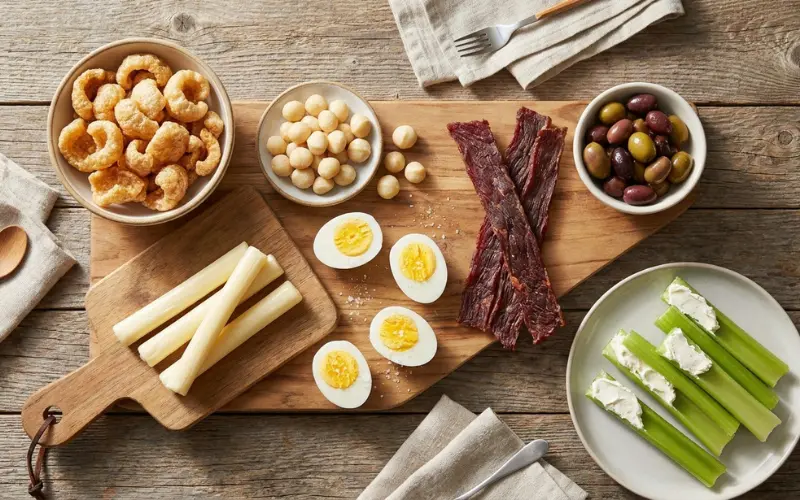
These are the ones that kept my readings flat or barely moved across the 90-minute window:
- Pork rinds — zero carbs, pure protein and fat, no surprises
- String cheese — 1g net carb, minimal impact even in larger portions
- Macadamia nuts (small handful, ~15 nuts) — highest fat-to-carb ratio of any nut I tested
- Hard-boiled eggs with salt — no measurable ketone shift at all
- Beef jerky without sugar-based marinade — check the label, plain or peppered versions work best
- Olives — barely registered any carb load
- Celery with cream cheese — the fiber in celery seems to buffer any small carb impact
Another useful approach is to prioritize Keto Snackz with recognizable ingredients rather than relying on packaging claims. A handful of nuts, boiled eggs, olives, cheese, or leftover meat gives you much more control over what you’re actually eating. If you’re testing your ketones, keep portions consistent and test the same snack more than once before drawing conclusions. Stress, sleep, hydration, exercise, and your previous meals can all affect readings, so one unexpected result doesn’t necessarily prove a snack is the problem.
Snacks That Caused a Dip (Still Keto, But Watch Portions)
Keto protein bars using erythritol blends
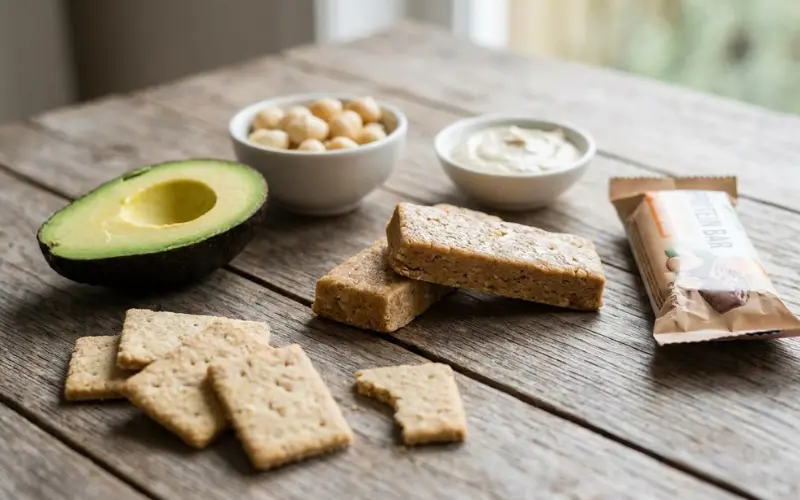
fine in one serving, risky if you eat the whole bar plus something else within the hour
Cheese crisps (baked parmesan)
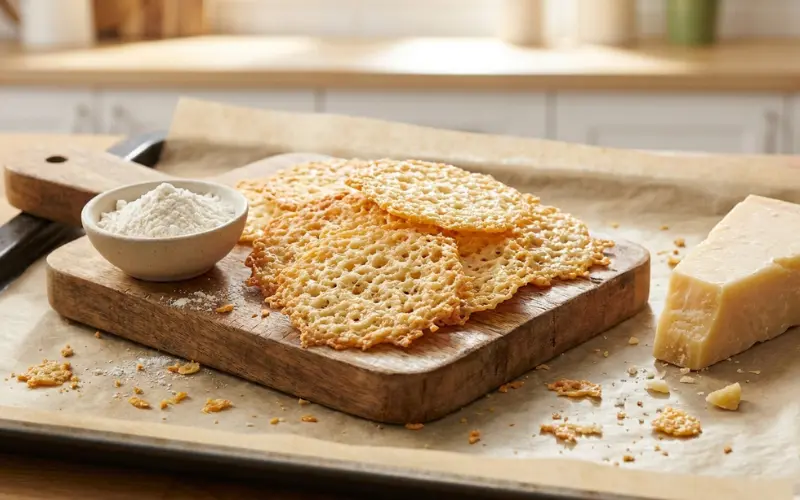
depends heavily on brand; some add rice flour binders that aren’t obvious on the front label
Flavored nut mixes
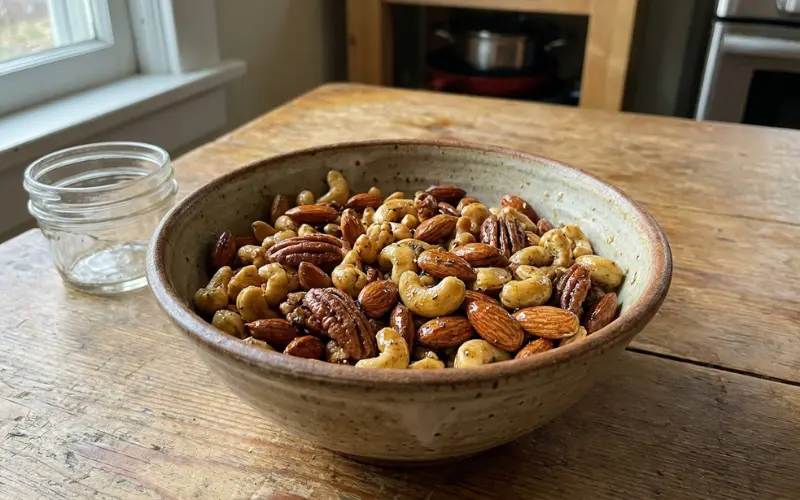
often coated in a light sugar glaze even when marketed keto
The Timing Variable Most Articles Ignore
Here’s something I haven’t seen covered anywhere else: when you eat the snack matters almost as much as what’s in it.
I ate identical Keto Snackz at two different times, Keto Snackz once right after a workout and once mid-afternoon at my desk. Post-workout, my body burned through the small carb load fast because muscle glycogen was depleted and actively pulling glucose out of the bloodstream. My ketone levels barely dipped.
Same snack, same amount, eaten at my desk with no recent activity, and I saw a noticeably bigger drop. The carbs just sat there longer before my body cleared them.
If you’re worried about a borderline Keto Snackz knocking you out of ketosis, timing it around movement, even a 10-minute walk, seems to matter more than people realize.
Quick Reference: Net Carb Thresholds by Body Size
This isn’t something I’ve seen quantified elsewhere, so I built it from my own data plus conversations with a few keto coaches I trade notes with.
| Body Weight Range | Safer Net Carb Ceiling Per Snack | Notes |
|---|---|---|
| Under 130 lbs | 3-4g | Smaller glycogen stores mean less buffer |
| 130-180 lbs | 5-7g | Most standard “keto” snacks fit here |
| Over 180 lbs | 7-10g | More metabolic buffer, but still track sugar alcohols |
These aren’t hard rules. They’re a starting point based on how much glycogen buffer different body sizes tend to have. Your mileage will vary depending on activity level and how long you’ve been fat-adapted.
Why “Net Carbs” on the Label Isn’t the Full Story
One thing I learned the hard way: manufacturers calculate net carbs using total carbs minus fiber and sugar alcohols. But the FDA doesn’t require third-party verification of that fiber number for most snack categories.
I contacted two smaller keto travel snack brands during this test and asked how they verify fiber content. One used lab testing. The other estimated based on the fiber content of raw ingredients before processing, which can shift significantly once something is baked or extruded.
That’s not a scandal, it’s just how the industry works. But it means two products with identical “3g net carb” labels can have real-world impacts that differ by several grams.
trust whole-food snacks with simple ingredient lists more than processed ones with impressive-looking macros on the front of the bag.
A Note From My Own Practice
I’ve coached a handful of friends through their first ninety days of keto, and the pattern I see over and over is this: people obsess over finding the “perfect” Keto Snackz list, then get derailed by one mislabeled bar they trusted blindly. The fix isn’t a better list. It’s learning to read past the front-of-package marketing and check the actual ingredient order, because that tells you more than the net carb number ever will.
Signs a Snack Actually Knocked You Out of Ketosis
Forget guessing. These are physical signs worth paying attention to within a few hours of eating a questionable snack:
- Sudden energy crash or brain fog returning after it had cleared
- Increased hunger sooner than expected
- Mild bloating, especially with sugar alcohol-heavy products
- If you test, a ketone reading under 0.5 mmol/L when you were previously stable above 1.0
None of these are dramatic. That’s exactly why so many people stay accidentally out of ketosis for days without realizing it, blaming a “stall” when it’s really just one snack a day quietly adding up.
Frequently Asked Questions
Can One Keto Snackz Really Kick You Out of Ketosis?
Yes, if it contains more usable carbs than your body can clear quickly, especially products with maltitol or hidden starches. My test showed it can happen from a single serving.
Do Sugar-Free Snacks Always Keep You in Ketosis?
No. Sugar-free doesn’t mean carb-free. Sugar alcohols vary widely in how much your body actually absorbs, and some sugar-free snacks still use starches as thickeners.
How Long Does It Take to Get Back Into Ketosis After a High-Carb Snack?
For most people who are already fat-adapted, 12-24 hours of staying strict usually restores ketosis. It took me about 16 hours to return to baseline after the maltitol bar during testing.
Are Homemade Keto Snacks Safer Than Store-Bought Ones?
Generally yes, because you control every ingredient and there’s no front-of-package marketing to second-guess. The tradeoff is convenience.
What’s the Single Biggest Mistake People Make With Keto Snackz?
Trusting the net carb number without checking what sugar alcohol is behind it. Erythritol and maltitol are treated the same on labels but behave very differently in the body.
Does Eating Keto Snacks Too Often Stall Weight Loss Even if You Stay in Ketosis?
It can. Staying technically in ketosis doesn’t mean you’re in a calorie deficit. Nuts and cheese-based snacks especially are easy to overeat since they’re calorie-dense.
Should I Test My Own Ketone Levels to Know for Sure?
If you’re serious about tracking this, a blood ketone meter gives far more reliable data than urine strips, which become inaccurate once you’re fat-adapted.
Is It Better to Eat Keto Snacks Alone or With a Meal?
Based on my timing test, pairing a borderline snack with light activity or eating it closer to a workout seems to reduce its impact on ketosis compared to eating it at rest.