The biggest threat to your ketosis isn’t the Keto Alcoholic Drinks itself. It’s what’s mixed into it. Sour mix, flavored syrups, “light” beers with hidden maltodextrin, and pre-batched cocktails routinely smuggle 15 to 40 grams of sugar into a drink that looks perfectly innocent on a menu. If you stick to clear spirits, dry wine, or a genuinely sugar-free mixer, you can drink socially and stay in ketosis. The moment you trust a label without checking it, that’s where the carbs sneak in.
Where Hidden Sugars Actually Come From
Most guides tell you “avoid sugary cocktails” and stop there. That’s not specific enough to actually protect you at a bar. Here’s where sugar hides in drinks that don’t look sweet at all.
Sour mix and margarita mix. Even the “on the rocks” version at most restaurants is bottled syrup, not fresh lime juice. One standard pour can carry 20+ grams of sugar.
Flavored liqueurs disguised as “light.” Triple sec, amaretto, and coffee liqueurs are sugar-based by definition. A splash in a cocktail can double the carb count of the base spirit.
Tonic water. Regular tonic has almost as much sugar per ounce as soda, around 8 to 9 grams per 100ml. Bartenders rarely ask if you want diet tonic unless you specify it.
Craft and seasonal beers. Fruit-infused IPAs, stouts with lactose or vanilla, and “harvest” seasonal releases often carry double the carbs of a standard lager because of added sugars and heavier malt bills.
Pre-mixed canned cocktails. Many “vodka lemonade” or “rum punch” cans marketed as convenient options are loaded with cane sugar or high fructose corn syrup, sometimes 25+ grams per can, despite looking like a casual, low-effort choice.
Practitioner’s note:
I once ordered what I thought was a safe whiskey sour at a work event, only to check later and find the bar used a bottled mix with 22g of sugar per serving. The lesson stuck: always ask what’s in the mixer, not just what spirit is on the label.
The Real Difference Between “Low Carb” and “Zero Sugar”
These two terms get used interchangeably online, but they’re not the same thing, and mixing them up is exactly how people accidentally break their fast or stall their weight loss.
A drink can be low in carbs per serving but still contain sugar, just in small amounts. A drink labeled “zero sugar” can still carry carbs from other sources, like the natural sugars in certain wines or the maltose in some light beers.
Pure distilled spirits
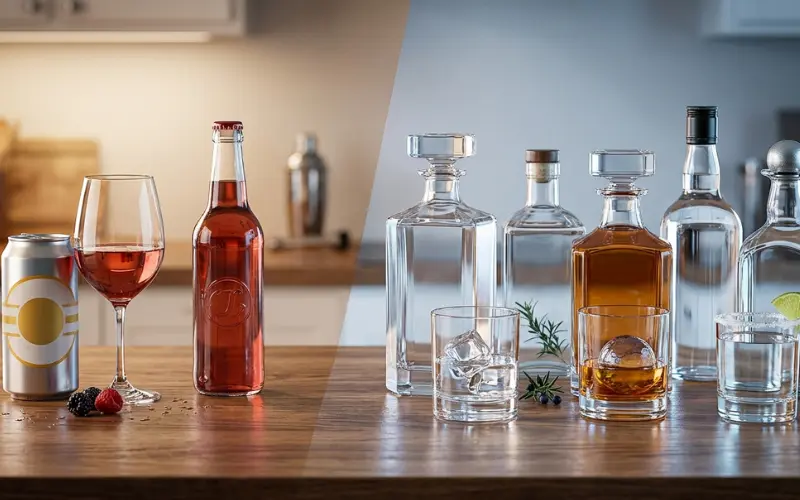
(vodka, gin, rum, tequila, whiskey) are genuinely both: zero sugar and zero carbs, because distillation removes sugar entirely.
Dry wines
Are low carb but not zero sugar. Residual sugar from fermentation, usually 0.5 to 2 grams per glass, still lingers.
Hard seltzers
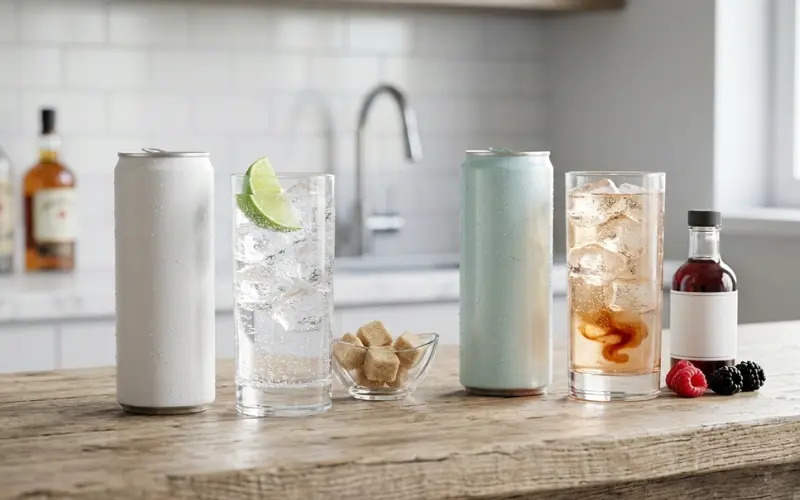
Vary wildly. Some use real fermented sugar (closer to zero carb), others use flavored syrup bases added after fermentation, which reintroduces sugar.
If your goal is strict ketosis, prioritize zero-sugar options over “low carb” ones. The margin for error is smaller than most people assume, especially if you’re drinking more than one.
Carb and Sugar Breakdown by Drink Type
This table isn’t a repeat of the general “what to drink vs avoid” advice you’ve seen elsewhere. It’s built around actual grams per standard serving, so you can make quick decisions at a bar without guessing.
| Drink Type | Standard Serving | Net Carbs | Sugar Content | Keto Verdict |
|---|---|---|---|---|
| Vodka, gin, rum, tequila, whiskey (neat) | 1.5 oz | 0g | 0g | Safe |
| Dry champagne / brut | 5 oz | 1-2g | 0.5-1.5g | Safe in moderation |
| Dry red or white wine | 5 oz | 3-4g | 1-2g | Safe in moderation |
| Hard seltzer (fermented sugar base) | 12 oz | 1-2g | 0-1g | Generally safe, check label |
| Light beer | 12 oz | 3-6g | 0-1g | Occasional |
| Regular beer | 12 oz | 10-17g | 0g (mostly carbs, not sugar) | Avoid |
| Margarita (bottled mix) | 4 oz | 20-32g | 18-28g | Avoid |
| Pre-mixed canned cocktail | 12 oz | 15-30g | 12-25g | Avoid |
| Sweet wine (Moscato, port, sherry) | 5 oz | 8-14g | 6-12g | Avoid |
Use this as a fast reference, not a substitute for checking the actual label or asking your bartender, since brands and recipes vary.
How to Order Safely Without Being “That Person” at the Bar
Nobody wants to interrogate a bartender for five minutes. You don’t need to. A few specific phrases get you a genuinely low-sugar drink without slowing down the line.
- Ask for your spirit “neat, on the rocks, or with soda water”. This sidesteps 90% of hidden sugar sources in one sentence.
- If you want a mixer, specify “diet tonic” or “sugar-free tonic” by name. Most bars stock it but won’t offer it unprompted.
- For a margarita or sour-style drink, ask them to build it with fresh lime juice and a sugar-free sweetener packet, skipping the pre-made mix entirely. Most bartenders can do this if you ask before they start pouring.
- With wine, request “the driest option you have”, since sommeliers and servers understand this term even when they don’t know exact carb counts.
- For canned or bottled options, flip the can and check total carbs, not just calories. Marketing terms like “light” or “refreshing” carry no regulated meaning.
Want more ways to stay on track without overthinking every label? Check out our guide on how to count carbs on keto for a system that works at restaurants and bars alike, or browse our full list of keto-friendly alcoholic drinks for more tested options.
Does Alcohol Actually Stall Ketosis, or Just Fat Loss?
This is where a lot of Keto Alcoholic Drinks advice gets muddled, and it’s worth separating the two effects clearly.
Alcohol doesn’t knock you out of ketosis in the way carbs do, because your liver still processes it into ketone-adjacent byproducts rather than glucose, in most cases. What it does is pause fat burning temporarily. Your body treats alcohol as a priority fuel source and stops burning stored fat until the alcohol is cleared from your system, typically within a few hours depending on how much you drank.
This is why some people stay in ketosis (verified by strips or a meter) even after drinking, but still notice their weight loss stalling if they drink several nights a week. The ketones are there. The fat-burning momentum just isn’t, at least not during that window.
Practitioner’s note:
I’ve tested this personally with a blood ketone meter. A couple of vodka sodas dropped my ketone reading slightly that evening, but it rebounded by morning. The bigger issue was always the extra calories and the next-day appetite spike, not the ketosis itself.
Keto Alcoholic Drinks Tolerance Changes on Keto, and Nobody Warns You About It
This is genuinely missing from most competitor content, and it matters more than carb counts for a lot of people.
Because keto depletes glycogen and shifts your body’s water and electrolyte balance, alcohol tends to hit faster and harder than it did on a higher-carb diet. Many people report feeling a stronger buzz from the same amount of alcohol they used to drink pre-keto, along with rougher hangovers the next day.
Practical steps that actually help:
- Hydrate with electrolytes before drinking, not just water. Keto already runs you lower on sodium and magnesium, and alcohol accelerates fluid loss further.
- Eat something with fat and protein beforehand. An empty Keto Alcoholic Drinks stomach absorbs alcohol faster than one with food in it.
- Pace servings more conservatively than you’re used to, at least for the first few months of Keto Alcoholic Drinks, until your tolerance recalibrates.
- Skip carbonated mixers if you’re prone to bloating. Club soda and diet tonic are common culprits for Keto Alcoholic Drinks who already deal with digestive adjustment.
FAQs
Does Keto Alcoholic Drinks Knock You Out of Ketosis?
Not directly. Pure spirits and dry wine typically won’t spike blood sugar enough to exit ketosis. What they do is pause fat burning temporarily while your liver prioritizes clearing the alcohol first.
What Alcohol Has 0 Carbs and 0 Sugar?
Distilled spirits taken neat or on the rocks, including vodka, gin, rum, tequila, and whiskey, all have zero carbs and zero sugar. This is true regardless of brand or price point, since distillation removes sugar completely.
What Alcoholic Seltzers Are Keto-Friendly?
Seltzers made from a fermented sugar base rather than a flavored syrup base tend to run 1-2g net carbs per can. Always check the label for “brewed” or “fermented” versus “flavored malt beverage,” since the two production methods carry very different carb profiles.
What Is the Best Alcoholic Drink With the Lowest Carbs?
A neat pour of any distilled spirit is the lowest-carb option available, sitting at zero. If you want something mixed, vodka or gin with soda water and a lime wedge keeps the total at essentially zero as well.
Can Drinking Alcohol on Keto Cause a Hangover to Feel Worse?
Yes, and this is underreported. Lower glycogen stores and altered electrolyte balance on Keto Alcoholic Drinks can intensify dehydration-related hangover symptoms, even from the same amount of Keto Alcoholic Drinks you handled fine before starting keto.
Is Wine Really Keto-Friendly, or Is That a Myth?
Dry wine in moderate amounts fits within most people’s daily carb limit, but it’s not carb-free like spirits. A 5oz glass runs 3-4g net carbs, which adds up quickly if you’re having more than one glass.
How Do I Know if a Canned Cocktail Is Actually Low Carb?
Check the nutrition label for total carbohydrates, not the front-of-can marketing. Terms like “light” or “skinny” aren’t regulated and often still contain 10g or more of sugar per can.
Should I Count Alcohol Calories Separately From My Keto Macros?
Yes. Alcohol calories don’t convert to fat storage the same way carbs or fat do, but they still count toward your total intake and can stall weight loss if you’re drinking regularly, even at zero carbs.