

Most keto friendly energy drinks will not spike your blood sugar in any meaningful way, because they’re formulated with zero or near-zero sugar and rely on non-nutritive sweeteners instead. The real risk isn’t the sugar content on the label, it’s hidden carb sources like maltodextrin, dextrose, or fruit juice concentrate that some brands slip in under “natural flavors.” If you check the label for total carbs under 3g and skip anything with added sugar, you’re almost always safe.
That’s the short answer. Now let’s get into what actually matters if you’re drinking these daily.
Why “Zero Sugar” Doesn’t Always Mean Zero Blood Sugar Impact
Here’s something most guides gloss over: a drink can legally say “sugar-free” and still nudge your glucose up a little. This happens for two reasons.
First, some sweeteners aren’t as neutral as they’re marketed.
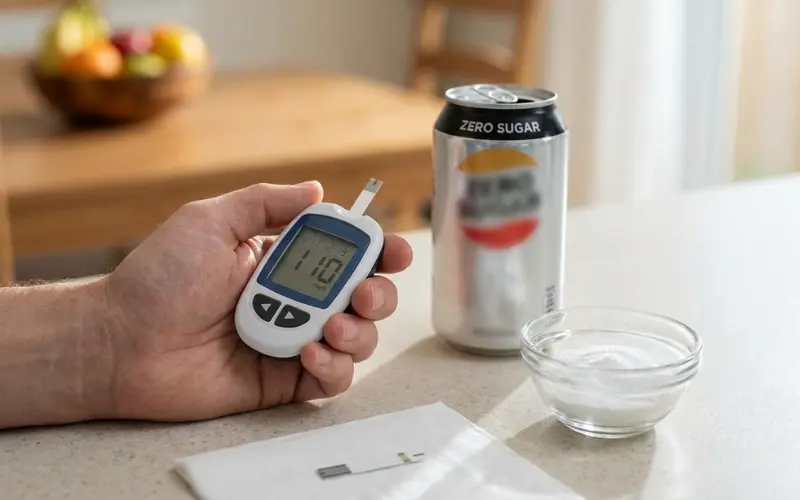
Maltodextrin, for example, is a starch-based filler with a glycemic index higher than table sugar in some cases, and it’s often used to bulk up powdered energy formulas or improve mouthfeel in canned drinks. It’s not sugar, so it doesn’t have to be listed as one, but your body can still respond to it.
Second, caffeine itself can raise blood sugar temporarily,
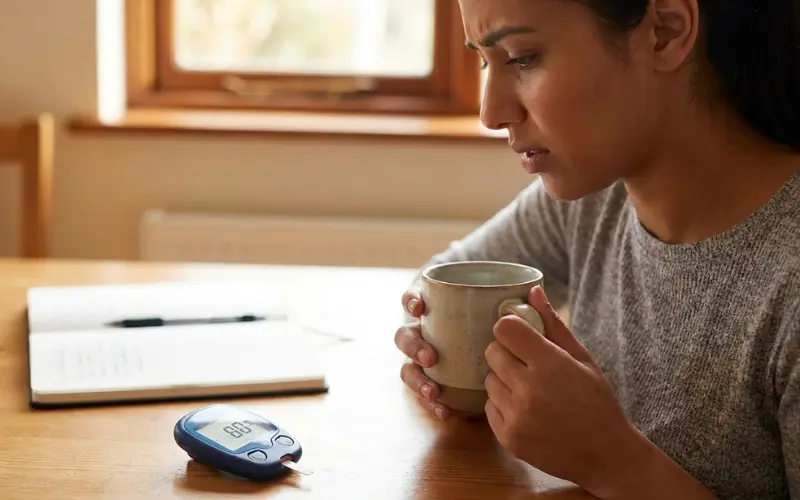
Independent of anything else in the can. Caffeine triggers a stress response that releases stored glucose from your liver, a process called glycogenolysis. This is well-documented in people with insulin resistance and type 2 diabetes, where a strong cup of coffee or a caffeinated drink can bump fasting glucose readings by a small but measurable amount.
I’ve seen this myself when testing Keto Friendly Energy Drinks with a continuous glucose monitor. A can with zero grams of sugar still produced a mild 8-12 point rise within 30 minutes, purely from the caffeine load, not any carbs. It settled back down within an hour, but it’s worth knowing if you’re someone who tracks glucose closely.
The Ingredient List That Actually Determines Ketosis Safety
Forget the front-of-can marketing. Flip it over and look for these four things specifically.
- Total carbs, not “net carbs” claims. Some brands calculate net carbs by subtracting fiber or sugar alcohols, which is fine, but always check the raw total carb number too, especially if you’re sensitive.
- The sweetener source. Stevia, monk fruit, and erythritol are generally the safest bets for stable glucose. Sucralose and acesulfame potassium are still keto-legal but have more mixed research behind them regarding insulin response over time.
- “Natural flavors” and gums. These rarely add meaningful carbs, but a few budget brands use flavor bases with trace maltodextrin. It won’t kick you out of ketosis in one can, but it adds up if you’re drinking two or three a day.
- Amino acid and BCAA additions. Some energy drinks add branched-chain amino acids for a performance boost. These can technically trigger a small insulin response on their own, separate from carbs, because insulin isn’t just released in reaction to glucose.
That last point rarely gets covered anywhere, and it’s genuinely useful if you’re doing strict therapeutic keto for something like epilepsy management or metabolic therapy, where even small insulin spikes matter more than they do for someone just cutting carbs for weight loss.
Comparing Common Keto Energy Drink Sweeteners
| Sweetener | Typical Glucose Impact | Common In |
|---|---|---|
| Stevia leaf extract | Minimal to none | Zevia, GURU Lite |
| Monk fruit | Minimal to none | Jocko GO, some powders |
| Erythritol | Minimal, though linked to cardiovascular research concerns in high doses | Rockstar Pure Zero |
| Sucralose | Low, but some studies show gut microbiome shifts affecting insulin sensitivity over time | Red Bull Sugarfree, Monster Zero Ultra, Bang |
| Maltodextrin (rare, check labels) | Can be moderate to high depending on dose | Occasionally in powdered mixes or flavor bases |
Does Caffeine Alone Break Ketosis?
No, caffeine doesn’t break ketosis on its own. What Keto Friendly Energy Drinks it can do is raise cortisol slightly, and elevated cortisol can, in a roundabout way, encourage the liver to release glucose. This is a temporary physiological response, not a metabolic switch that pulls you out of fat-burning mode.
Where people get confused is timing. If you drink a high-caffeine energy drink on an empty stomach first thing in the morning, that mild glucose bump plus the cortisol spike can feel like you’re “not in ketosis” if you’re testing blood ketones right after. Give it 60-90 minutes and retest. In my experience, ketone levels usually normalize once the caffeine response settles.
If you’re caffeine-sensitive or dealing with adrenal fatigue symptoms, this is genuinely worth paying attention to, and it’s a bigger factor than most keto energy drink guides admit.
When These Drinks Cause Real Problems (Not Blood Sugar Related)
Blood sugar isn’t actually the main issue I see people run into. The bigger problems are:
- Electrolyte imbalance from excess caffeine. Caffeine is a mild diuretic, and combined with keto’s natural sodium loss, two or three energy drinks a day can leave you dehydrated and dealing with headaches or muscle cramps that get blamed on “keto flu” when it’s really just electrolyte depletion.
- Digestive upset from sugar alcohols. Erythritol and xylitol, used in several keto drink formulas, can cause bloating or loose stools in sensitive people if consumed in higher volumes.
- Sleep disruption masking as low energy. People drink more energy drinks because they’re tired, but the caffeine is wrecking their sleep quality, creating a cycle where they need more caffeine the next day. This isn’t a keto-specific issue, but it shows up constantly in low-carb communities because energy drinks become a daily crutch.
A Practical Way to Test Any Drink Yourself
You don’t need to trust any article, including this one, blindly. Here’s how I’d check a new keto energy drink before making it a daily habit:
- Test fasting blood glucose or ketones before drinking.
- Drink it on an empty stomach, the way you’re most likely to actually consume it.
- Retest at 30 and 60 minutes.
- Note any rise and how quickly it returns to baseline.
Most zero-sugar options will show little to no meaningful change. If you see a rise beyond 15-20 points that doesn’t settle within an hour, that particular brand or sweetener combination probably isn’t a good fit for your body specifically, even if it’s technically keto-friendly on paper.
If you want a gentler, more predictable option, a homemade electrolyte and caffeine mix gives you full control over ingredients, and pairing it with something like keto-friendly coffee or matcha tends to produce a smoother energy curve than canned drinks loaded with multiple stimulant sources.
Quick Takeaways
- Zero-sugar keto energy drinks rarely spike blood sugar in a meaningful way.
- Caffeine itself can cause a small, temporary glucose rise through cortisol and liver glycogen release.
- Maltodextrin and certain flavor bases are the real hidden-carb risk, not sugar.
- Sucralose and erythritol are keto-safe but have more mixed long-term research than stevia or monk fruit.
- Testing your own response with a glucose or ketone meter is more reliable than any general guideline.
If you’re building a full lineup of low-carb drinks beyond just energy cans, it’s worth looking at a wider list of keto-friendly beverages so you’re not relying on one category for your daily hydration and energy needs.
FAQs
What Keto Friendly Energy Drinks Has the Lowest Carbs?
Zevia Zero Sugar Keto Friendly Energy Drinks and Yerbaé both sit at true zero grams of carbs per can, making them two of the lowest-carb options widely available.
Are Alani Energy Drinks Keto Friendly?
Most Alani Nu energy drinks are low in carbs, typically around 1-2g per can, and use sucralose or acesulfame potassium, so they fit within keto macros for most people, though the specific carb count varies slightly by flavor.
Are Monster Energy Drinks Keto Friendly?
Monster Energy Zero Ultra is the keto-appropriate version, with 0g sugar and low net carbs, but regular Monster flavors contain significant sugar and are not suitable for keto.
Do Energy Drinks Take You Out of Ketosis?
Sugar-free versions generally don’t take you out of ketosis, since ketosis is driven by carbohydrate and protein intake, not caffeine. Regular, sugar-sweetened energy drinks will, due to their high carb content.
Is C4 Energy Drink Keto Friendly?
Most C4 Original and C4 Smart Energy formulas have very low sugar and around 1g net carbs per serving, making them keto-compatible, though some flavored pre-workout versions in the C4 line use dextrose and should be checked individually.
Can I Drink Keto Energy Drinks Every Day?
You can, but daily use raises your risk of electrolyte imbalance and caffeine tolerance building up, so it’s smarter to rotate with keto breakfast drinks or coffee on some days rather than relying on canned energy drinks every single day.
Do Keto Energy Drinks Help With Weight Loss?
They can support weight loss indirectly by curbing appetite and boosting workout performance through caffeine, but the drinks themselves have no fat-burning properties, so results depend entirely on your overall calorie and carb intake.
What Should I Avoid in a Keto Energy Drink Label?
Watch for maltodextrin, dextrose, fruit juice concentrate, and added sugar, since these are the main ingredients that can quietly push a “keto-friendly” drink out of your daily carb limit.

1 comment
[…] Energy keto and net carb breakdown before you stock up. For a wider selection, browse this list of keto-friendly energy […]