Starting keto sounds simple until you actually try it. One blog tells you to count every gram of fat. Another tells you to test your urine strips daily. A third sells you a $100 bundle of powders before you have even had your first bite of bacon and eggs.
No wonder so many people quit in the first week.
A proper keto kickstart should not feel like a part-time job. It should feel like a clear, doable plan that gets your body into fat-burning mode, calms your cravings, and gives you real energy back within days, not months.
This guide walks you through exactly that. No confusing macros. No overpriced supplements you do not need. Just a straightforward keto kickstart plan built on what actually works, plus a few things most articles on this topic leave out entirely.
What Is a Keto Kickstart?
A keto kickstart is a short, focused period, usually one to four weeks, where you shift your body from burning sugar for fuel to burning fat. This metabolic shift is called ketosis.
During this window, you eat high fat, moderate protein, and very few carbs. Your body runs low on glucose, so your liver starts converting fat into ketones, an alternative fuel source your brain and muscles can use just as well, sometimes better.
Think of it less like a diet and more like flipping a switch. Once your body learns to run on fat, hunger drops, energy stabilizes, and the constant “what should I eat next” chatter in your head quiets down.
Why Most Keto Kickstarts Fail

Before jumping into the plan, it helps to know where people usually go wrong. Most failed attempts share the same three problems:
- Overcomplicating it. Tracking every gram of protein and fat is exhausting, and most beginners abandon it within a week.
- Ignoring electrolytes. This is the single biggest reason people feel awful during their first few days and quit.
- Expecting instant results. Your body needs time to adapt. Judging day three like it is week three sets you up for disappointment.
Fix these three issues, and you remove most of the reasons people give up on keto.
The 3 Simple Rules for Your Keto Kickstart
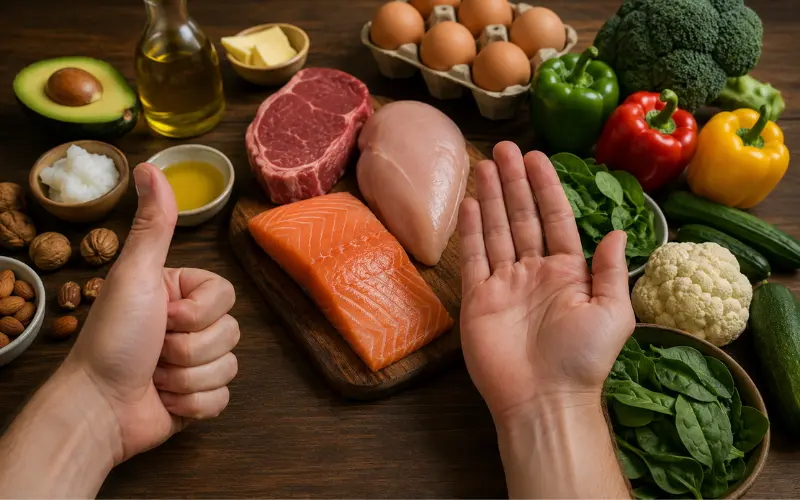
Forget spreadsheets and tracking apps for now. Use this hand-based method instead. It is not perfectly precise, but it is precise enough, and precision is not what beats people, exhaustion is.
- Fat: your whole thumb, three to five times a day. Olive oil, avocado, butter, ghee, coconut oil, fatty cuts of meat.
- Protein: about the size of your palm, per meal. Eggs, chicken, beef, fish, pork.
- Carbs: only from non-starchy vegetables, unlimited within reason. Leafy greens, broccoli, cauliflower, zucchini, peppers.
That is the entire framework. No app required. If a food is not fat, protein, or a non-starchy vegetable, save it for later.
Your 7-Day Keto Kickstart Meal Framework
Rather than a rigid meal plan, use this repeatable daily rhythm. It works whether you eat two meals or three, and it removes decision fatigue, which is often the real reason people fall off track.
Morning:
Black coffee or tea. Add a spoon of coconut oil or heavy cream if you are hungry. If not, wait until true hunger hits.
First meal:
Eggs cooked in butter with sauteed greens, or a big salad topped with olive oil, avocado, and grilled chicken.
Second meal:
A protein of your choice (salmon, ground beef, pork chops) with a generous portion of roasted low-carb vegetables in plenty of fat.
Snack, if needed:
A handful of macadamia nuts, a hard-boiled egg, or cheese slices.
Repeat this rhythm daily, rotating your protein and vegetables so you do not get bored. Boredom, not willpower, is what usually ends a keto kickstart early.
Beating Keto Flu Before It Starts (The Part Most Guides Skip)
This is where most keto kickstart articles fall short. They mention “keto flu” exists, then move on without telling you the actual numbers that prevent it.
When you cut carbs, your body releases stored water and flushes out sodium along with it. This is why headaches, fatigue, and muscle cramps hit around day two or three. It is not a sign keto is not working for you. It is a sign you are low on electrolytes.
Here is a daily target that actually prevents this, not just vague advice to “drink more water”:
- Sodium: 4,000 to 5,000 mg per day. This is far more than typical low-carb advice suggests, and it is the single biggest fix for keto flu. Add sea salt generously to food, or sip salted broth.
- Potassium: 3,000 to 4,000 mg per day. Avocados, leafy greens, and salmon are strong sources.
- Magnesium: 300 to 400 mg per day. Nuts, seeds, and leafy greens help, though a supplement is reasonable here if your diet falls short.
Most people who say “keto did not work for me” quit during days two through five, right when electrolytes are lowest. Fix your sodium intake specifically, and the vast majority of keto flu symptoms disappear within 48 hours.
Your Keto Kickstart Shopping List
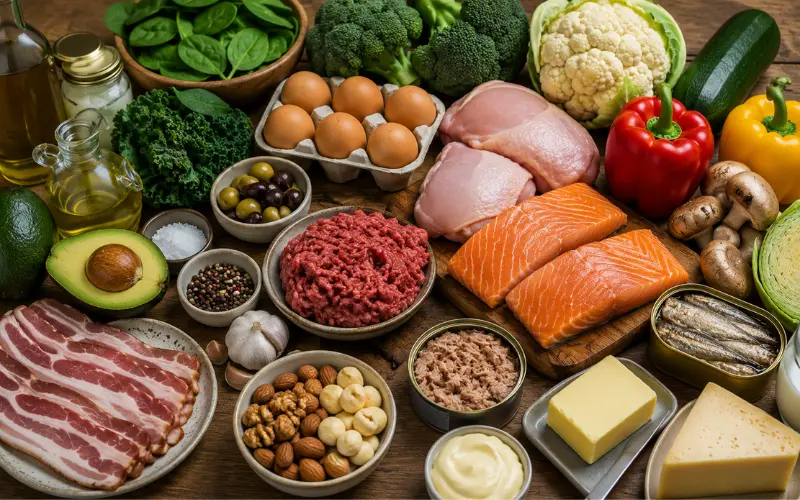
Keep this list on your phone for your first grocery run. It covers a full week without overbuying.
Fats:
Olive oil, avocado oil, coconut oil, grass-fed butter or ghee, mayonnaise made with avocado oil.
Proteins:
Eggs, chicken thighs, ground beef, salmon or other fatty fish, bacon, pork chops.
Vegetables:
Spinach, kale, broccoli, cauliflower, zucchini, bell peppers, mushrooms, cabbage.
Pantry:
Sea salt, black pepper, garlic, herbs and spices, canned tuna or sardines for quick meals.
Extras:
Cheese, olives, nuts (macadamia, walnuts, almonds), unsweetened almond or coconut milk.
Skip the “keto branded” snacks and bars for your first week. They are convenient later, but they add unnecessary cost and sugar alcohols that can upset digestion when your gut is still adjusting.
Signs Your Keto Kickstart Is Actually Working
Do not rely on the scale alone during your first week. Water weight shifts fast and can be misleading in either direction. Instead, watch for these signals:
- You go four to six hours between meals without feeling shaky or irritable.
- Your afternoon energy crash disappears.
- Your thinking feels clearer, especially in the early afternoon.
- Cravings for sugar and bread noticeably fade by day five to seven.
- Your clothes fit differently before the scale confirms it.
These changes typically show up faster than weight loss itself, and they are a better early indicator that your body has shifted into ketosis.
Common Mistakes That Stall a Keto Kickstart
Even with a solid plan, small habits can quietly block progress. Watch for these:
- Eating too much dairy too soon. Cheese and cream are keto-friendly, but overdoing them can slow adaptation for some people.
- Not eating enough fat. Fear of fat is a leftover habit from decades of low-fat advice. On keto, under-eating fat leaves you hungry and tired.
- Drinking diet sodas and “sugar-free” drinks daily. These can trigger cravings for some people even without sugar.
- Skipping vegetables. Keto is not just meat and cheese. Fiber from low-carb vegetables supports digestion and keeps energy steady.
- Weighing yourself daily. Weight fluctuates with water and sodium. Weekly check-ins give a truer picture.
My Experience:
When I began my keto kickstart, I kept things as simple as possible instead of worrying about perfect macros or buying expensive supplements. Focusing on whole foods and staying on top of my electrolytes made the first week much easier than I expected. After a few days, my cravings for sugary snacks started to fade, my energy felt more stable throughout the day, and I found myself feeling full for longer between meals. That early progress gave me the confidence to stick with keto as a long-term lifestyle rather than treating it as a short-term diet.
Do You Need Supplements for a Keto Kickstart?
Short answer: no, not strictly. A well-planned keto kickstart built on real food covers most of what your body needs.
That said, a few supplements can smooth the transition if your budget allows:
- Electrolyte powder if you struggle to hit sodium and potassium targets through food alone.
- Magnesium glycinate if you experience muscle cramps or poor sleep during week one.
- MCT oil if you want a quick energy source, though it is optional, not essential.
Anything beyond this, like exogenous ketone drinks or branded “kickstart bundles,” is optional convenience, not a requirement for success. Save your money until you know you actually enjoy this way of eating long term.
When to Slow Down or Stop
Keto works well for most healthy adults, but it is not universal. Check with your doctor first if you have diabetes and take insulin or other blood sugar medication, kidney disease, a history of disordered eating, or if you are pregnant or breastfeeding. If you feel persistently unwell rather than just adjusting for a few days, that is your body telling you to reassess, not push through.
My Experience:
When I first tried this keto kickstart, I expected the transition to be difficult, but keeping my meals simple and paying attention to electrolytes made a noticeable difference. After a few days, my sugar cravings started to fade, my energy became more consistent, and I no longer felt the need to snack constantly. By the end of the first week, the routine felt much easier to follow, making it a sustainable way to stay on track with my keto goals.
Frequently Asked Questions
1. How long does a keto kickstart usually take to show results?
Most people notice reduced hunger and steadier energy within five to seven days. Visible weight changes typically follow within two to three weeks.
2. Is a keto kickstart the same as the full ketogenic diet?
Yes, in principle. A keto kickstart is simply the beginning phase, focused on getting your body into ketosis quickly and comfortably before settling into a longer-term routine.
3. Can I exercise during my keto kickstart?
Light to moderate activity is fine and often helps with energy. Save intense training for after your first week, since your body is still adjusting its fuel source.
4. Do I have to count calories on a keto kickstart?
No. Most beginners do better focusing on the fat, protein, and vegetable structure outlined above rather than counting every calorie in the first week or two.
5. Why do I feel tired on day two or three?
This is usually keto flu, caused by low sodium and electrolytes, not a sign the diet is failing. Increasing salt intake typically resolves it within a day or two.
6. Can I drink alcohol during a keto kickstart?
It is best to avoid it for your first one to two weeks. Alcohol slows ketone production and can also affect appetite and decision-making around food.
7. What if I am not in ketosis after a week?
Check your carb intake first, since hidden carbs in sauces, dressings, and processed foods are the most common culprit. Stress and poor sleep can also delay ketosis.
8. Is fruit allowed during a keto kickstart?
Most fruit is too high in sugar for the initial phase. Small portions of berries are the exception and can be reintroduced once you are fat adapted.
9. Will I lose muscle during a keto kickstart?
Not if you eat adequate protein, roughly a palm-sized portion per meal, and stay active. Ketosis actually helps preserve muscle better than low-fat, low-calorie diets.
10. Can I do a keto kickstart if I am vegetarian?
Yes, though it requires more planning. Eggs, cheese, nuts, seeds, avocado, and plant-based fats can replace meat while keeping carbs low.
Final Thought
A keto kickstart does not need to be complicated, expensive, or miserable. Get your electrolytes right, keep your meals simple, and give your body a week to adjust before judging the results. Most people who “fail” at keto simply quit during the electrolyte dip in the first few days, right before things start to click.
Start with real food, watch your sodium, and let your body do what it is designed to do.