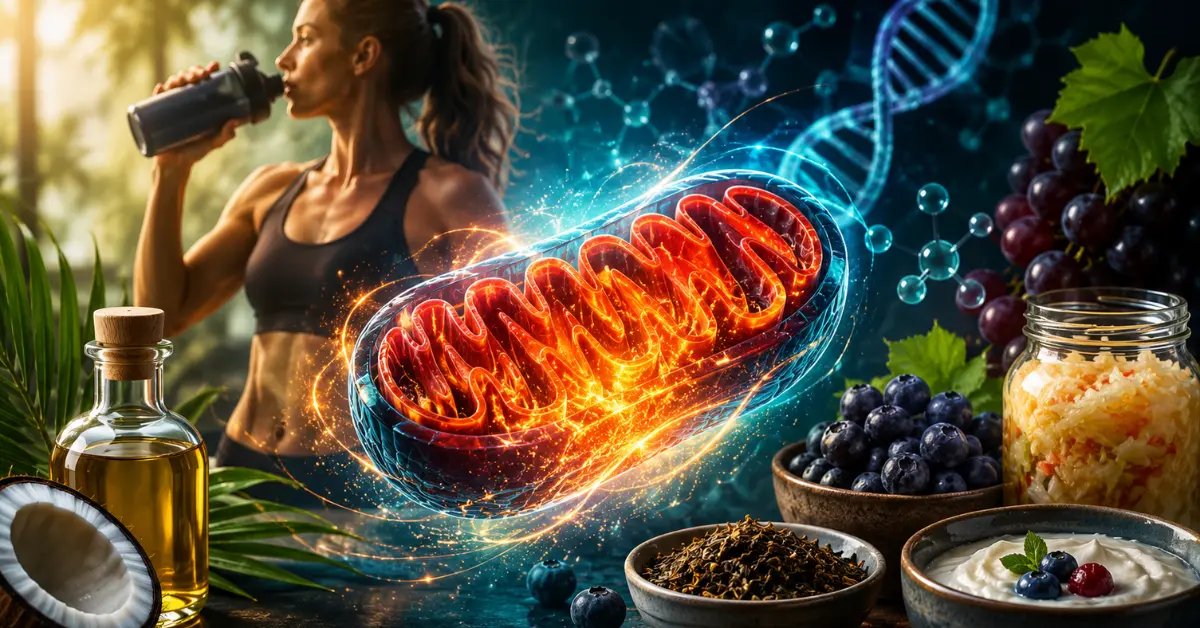
Unlocking the keto code isn’t about eating 80% fat or forcing yourself into constant ketosis. Instead, unlocking the keto code refers to activating a cellular process called mitochondrial uncoupling where your cells burn energy as heat instead of storing it as fat. This revolutionary framework, explained through modern metabolic science, shows that you can achieve the benefits of a ketogenic diet without the extreme restriction.
The traditional keto approach emphasized ketone bodies as magical fuel sources, but emerging research shows that unlocking the keto code actually depends on something deeper: triggering your mitochondria (your cells’ power plants) to waste calories. This happens through three primary mechanisms: consuming medium-chain triglycerides (MCT oil), practicing time-restricted eating, and feeding your body polyphenol-rich foods and fermented goods.
When you’re unlocking the keto code correctly, your body doesn’t require 80% of calories from fat. Instead, you activate the same metabolic benefits rapid weight loss, sustained energy, improved brain function—through strategic nutrient timing and specific food combinations. This approach explains why some people succeed on keto while others fail: they’re either activating mitochondrial uncoupling or they’re not. Unlocking the keto code means understanding the mechanism, not just following macronutrient ratios.
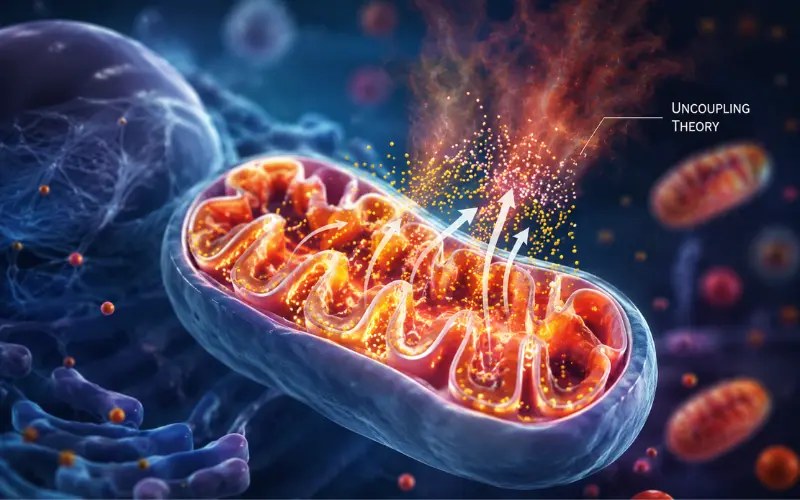
Why Unlocking the Keto Code Works: The Mitochondrial Uncoupling Theory
For decades, the ketogenic diet community operated under a misunderstanding. We believed that ketone bodies were the miraculous fuel source driving keto’s success. The theory seemed logical: eliminate carbohydrates, trigger ketosis, and your body burns fat. Millions followed this framework and experienced real results. But the science behind unlocking the keto code reveals a more nuanced picture.
Your mitochondria the microscopic structures inside your cells responsible for energy production have an extraordinary capability that most people never activate. Instead of converting all food energy into ATP (your body’s energy currency), mitochondria can enter a state called uncoupling, where they dissipate energy as heat. This process wastes calories at the cellular level, which is why unlocking the keto code produces such dramatic weight loss results.
The conventional understanding of ketosis focused on carbohydrate restriction as the primary lever. But unlocking the keto code shows us that ketone bodies are actually signaling molecules, not fuel sources. Their real job is telling your mitochondria to wake up and start wasting energy. This explains why people on standard high-fat ketogenic diets sometimes plateau they’re not consistently triggering mitochondrial uncoupling.
Research into unlocking the keto code has revealed that the process depends less on macro nutrient percentages and more on specific compounds and eating patterns. Polyphenols (plant compounds found in berries, tea, and red wine), short-chain fatty acids (produced when you eat fiber and fermented foods), and MCT oils all signal your mitochondria differently than long-chain fats. This is why unlocking the keto code feels less restrictive than traditional keto you’re not eliminating entire food groups; you’re strategically activating cellular mechanisms.
The gut microbiome plays a crucial role in this process. When you’re unlocking the keto code effectively, your gut bacteria ferment the resistant starch and fiber you consume, producing butyrate a short-chain fatty acid that directly activates mitochondrial uncoupling. This gut-metabolic connection explains why traditional keto, which eliminates most carbohydrate sources (including fiber), sometimes under performs. Unlocking the keto code requires feeding your microbiome while maintaining metabolic flexibility.
How to Start Unlocking the Keto Code: Practical Implementation Strategy
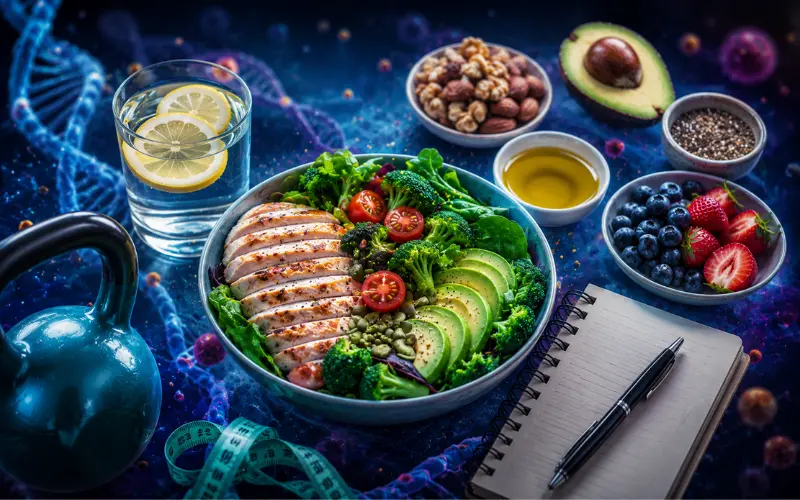
Successfully unlocking the keto code requires understanding three non-negotiable components that work synergistically to activate mitochondrial uncoupling. These aren’t restrictive rules but rather strategic levers you pull to unlock cellular fat-burning at the mitochondrial level.
The MCT Oil Foundation
Begin unlocking the keto code by introducing medium-chain triglycerides (MCT oil) gradually. Start with one tablespoon in your morning coffee before eating anything else. MCTs bypass your liver’s normal processing and go directly to your mitochondria, providing a potent signal for uncoupling. Many people starting to unlock the keto code make the mistake of consuming too much MCT oil initially, causing digestive distress. Instead, increase by half a tablespoon weekly until you reach three tablespoons daily (divided into three doses). This slow introduction trains your gut to efficiently process MCTs, which is essential when unlocking the keto code.
When unlocking the keto code with MCT oil, prioritize quality: organic, non-GMO sources from reputable brands. The purity matters because your mitochondria are sensitive to the signals these fats send. Mix MCT oil into beverages rather than cooking with it, as heat can degrade its mitochondrial-signaling properties.
Time-Restricted Eating Window
Unlocking the keto code also requires temporal controln restricting your eating to specific windows. Ideally, this means one meal per day (OMAD) or a six-to-eight-hour eating window. The science behind unlocking the keto code shows that extended fasting periods allow your mitochondria to upregulate uncoupling genes. Your cells interpret extended fasting as a starvation signal, triggering metabolic adaptations that persist even when you return to eating.
For most people beginning to unlock the keto code, jumping to OMAD is unrealistic. Instead, start by delaying your first meal by one or two hours each week. If you normally eat breakfast at 7 AM, push it to 8 AM the first week. Continue shifting until you achieve a six-to-eight-hour eating window. This gradual approach to unlocking the keto code maintains compliance and allows your body to adapt without hormonal disruption.
The Polyphenol and Fermented Foods Strategy
Perhaps the most surprising element when unlocking the keto code is that you’re not eliminating all plant foods. High-fiber vegetables, especially cruciferous varieties (broccoli, cauliflower, Brussels sprouts), belong in your eating plan. Fermented foods sauerkraut, kimchi, miso, kombucha—become your metabolic allies when unlocking the keto code. These foods provide the substrate for your gut bacteria to produce short-chain fatty acids, which directly activate the mitochondrial uncoupling pathway.
Additionally, certain approved plant foods like green tea, dark chocolate (85% cacao and above), red wine (up to six ounces daily), and berries deliver polyphenols that enhance mitochondrial function. When unlocking the keto code, these foods aren’t cheat days—they’re strategic nutritional tools that amplify the uncoupling effect.
Alternative Solutions: Beyond Traditional Unlocking the Keto Code
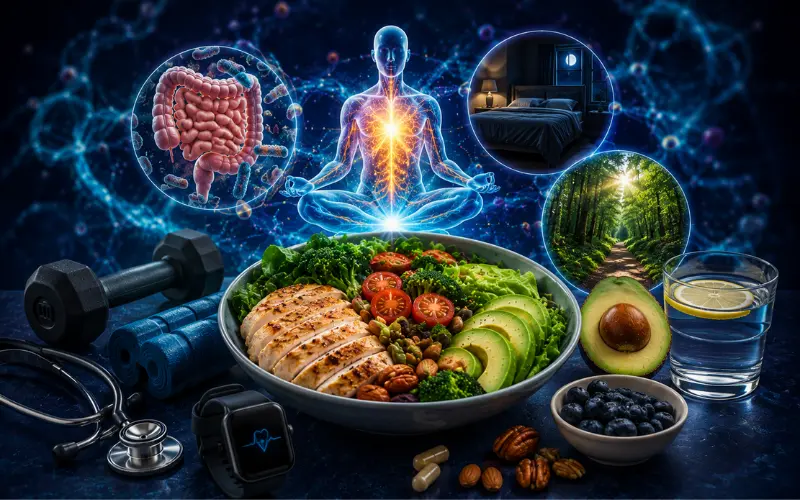
While unlocking the keto code represents the most scientifically-grounded approach to ketogenic metabolism, several alternatives exist for people with different contexts, preferences, or health conditions.
Cyclical Approaches to Unlocking the Keto Code
Some people find sustained ketosis incompatible with their lifestyle or fitness goals. Unlocking the keto code cyclically—alternating between strict ketogenic days and higher-carbohydrate days maintains many metabolic benefits while improving social flexibility. This approach still requires understanding the mitochondrial uncoupling mechanisms outlined in unlocking the keto code, but spreads implementation across a weekly cycle.
Hybrid Plant-Based Approaches
For vegetarians and vegans, traditional unlocking the keto code feels impossible. However, understanding that you’re activating mitochondrial uncoupling (not forcing ketone body production) opens possibilities. Plant-based practitioners can achieve similar results by emphasizing MCT oils derived from coconut, high-fiber vegetables, and strategic timing around resistance training essentially unlocking the keto code through alternative macronutrient sources.
Supplementation-Enhanced Pathways
If cost or food availability limits your ability to implement unlocking the keto code through whole foods, targeted supplementation offers alternatives. Exogenous ketones, while not the primary mechanism, can support the metabolic state you’re pursuing when unlocking the keto code. Similarly, prebiotic supplements, MCT oil powders, and polyphenol extracts provide concentrated versions of the compounds supporting mitochondrial uncoupling.
Frequently Asked Questions
Q1: How long does it take before I see results after unlocking the keto code?
Most people experience energy improvements within three to five days of unlocking the keto code, as their cells shift energy production toward heat dissipation. However, significant weight loss typically requires two to three weeks for the mitochondrial uncoupling response to fully activate. Initial results (often five to ten pounds in the first month) reflect both fat loss and glycogen depletion, but sustained weight loss comes from consistent mitochondrial activation.
Q2: Can I unlock the keto code without MCT oil?
While MCT oil provides the most direct mitochondrial signal, unlock the keto code is possible without it. Emphasis on fermented foods, resistant starch, and strict time-restricted eating can activate uncoupling. However, the process is slower and requires greater discipline. MCT oil accelerates results when unlock the keto code, which is why it appears in most implementations.
Q3: Is unlocking the keto code safe for people with gallbladder issues?
Unlock the keto code requires careful modification for anyone with compromised bile production. The high-fat element—specifically the MCT oil component demands adequate digestive capacity. Start with extremely small MCT quantities (one teaspoon) and ensure you’re consuming adequate fiber when unlock the keto code, as this supports bile flow. Consult your healthcare provider before unlock the keto code if you have a history of gallstone disease.
Q4: How does unlocking the keto code differ from intermittent fasting?
Intermittent fasting addresses the timing of eating; unlock the keto code addresses what you eat and how it signals your mitochondria. You can practice intermittent fasting without unlock the keto code, or vice versa. The most powerful approach combines both: unlock the keto code with time-restricted eating maximizes mitochondrial uncoupling signals.
Q5: What should I eat when unlocking the keto code at restaurants?
Unlock the keto code at restaurants focuses on proteins, healthy fats, and vegetables without processed additions. Choose grass-fed meat, wild-caught fish, and organic vegetables when possible. Request sauces separately and avoid seed oils. Most restaurants now understand keto principles, making unlock the keto code socially feasible.
Q6: Can unlocking the keto code help with PCOS or hormonal imbalance?
Yes—unlock the keto code shows particular promise for polycystic ovary syndrome (PCOS) because mitochondrial dysfunction is implicated in hormonal dysregulation. The improved insulin sensitivity from unlock the keto code, combined with weight loss, often restores hormonal balance. However, hormone-sensitive individuals should monitor their cycle when unlock the keto code and adjust implementation if needed.
Q7: How much weight loss should I expect from unlocking the keto code?
Weight loss rates vary based on starting point, metabolic health, and consistency. Most people lose one to three pounds weekly after the initial two-week mitochondrial adaptation phase. However, unlock the keto code isn’t primarily about speed it’s about sustainable fat loss and metabolic health. Some individuals experience slower initial loss but maintain results indefinitely.
Q8: Is unlocking the keto code sustainable long-term?
Unlike restrictive traditional keto, keto code incorporates vegetables, fruits, and social flexibility, making it highly sustainable. Many practitioners maintain unlock the keto code for years without feeling deprived. The key is viewing it as a metabolic framework, not a temporary diet.
Q9: Can I exercise intensely while unlocking the keto code?
Unlock the keto code works well with resistance training and low-intensity cardio. High-intensity interval training (HIIT) requires sufficient glycogen, which is limited when unlock the keto code strictly. Most people find that moderate exercise complements unlock the keto code optimally.
Q10: What supplements are essential when unlocking the keto code?
When unlock the keto code, electrolytes (sodium, potassium, magnesium) are crucial, especially initially. A quality multivitamin addresses potential micro nutrient gaps. Optional but beneficial: omega-3 fatty acids, poly phenol-rich supplements, and probiotics to support gut health during unlock the keto code implementation.
Final Thoughts: The Future of Unlocking the Keto Code
Unlock the keto code represents a paradigm shift in how we approach ketogenic nutrition. Instead of forcing yourself into an 80% fat regimen you can’t sustain, unlock the keto code teaches you to activate your cellular machinery for fat burning. This shift from macro nutrient obsession to mitochondrial optimization explains why some people thrive on keto while others struggle.
The science validating unlock the keto code continues evolving. Recent research into autophagy, circadian rhythm alignment, and poly phenol bio availability enriches our understanding of how unlock the keto code produces its remarkable results. As this field advances, unlock the keto code becomes increasingly sophisticated, offering personalized pathways rather than one-size-fits-all macro nutrient ratios.
Whether you’re addressing weight loss, metabolic disease, cognitive performance, or longevity, unlock the keto code provides a framework grounded in cellular biology rather than dogma. Your journey with unlock the keto code begins not with restriction but with understanding recognizing that your mitochondria hold the key to the results you’re seeking. The code has always existed within your cells. You simply needed to learn how to unlock it.