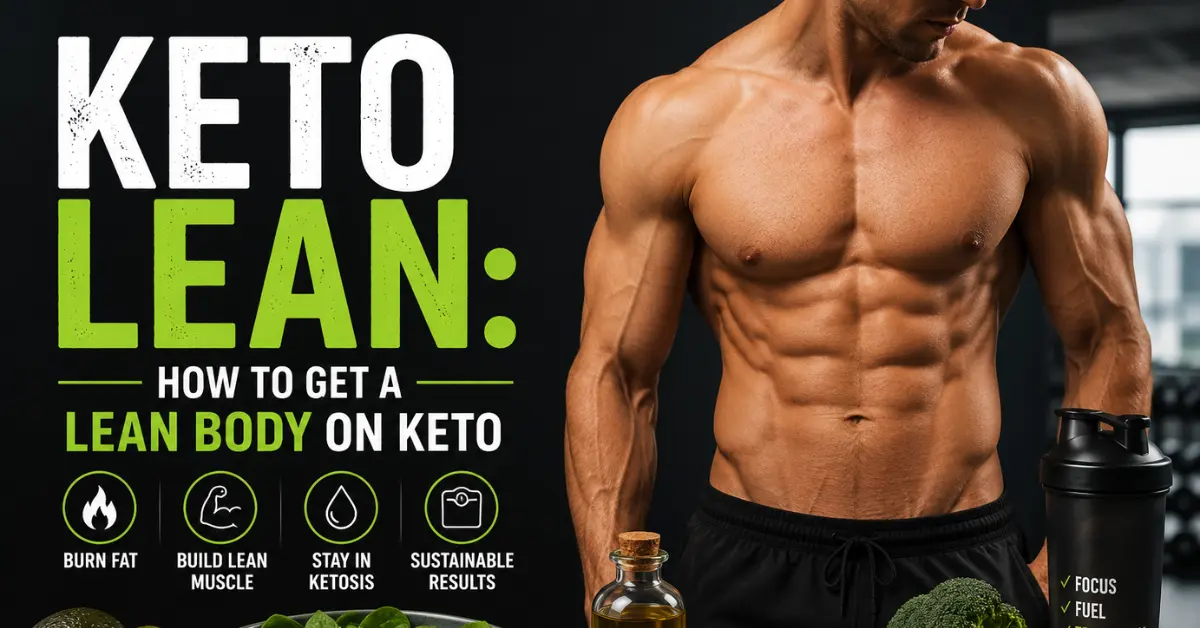
If you’ve been hearing the term “keto lean” a lot lately, you’re not alone. It pops up in two different contexts — as a category of weight loss supplements, and as a goal: getting lean through the ketogenic diet. This article covers both.
Whether you’re trying to figure out if keto lean supplements are worth buying, or you want a real roadmap to getting a lean, fat-burning body on keto, you’ll find your answers here.
Let’s get into it.
What Does “Keto Lean” Actually Mean?
“Keto lean” refers to the combination of the ketogenic diet and the goal of achieving a lean physique — one with low body fat and preserved muscle mass.
The ketogenic diet is a high-fat, moderate-protein, very low-carbohydrate eating plan that shifts your body into a metabolic state called ketosis. In ketosis, your liver converts fat into ketones, which your body and brain then use for fuel instead of glucose.
When done right, keto doesn’t just help you lose weight — it helps you lose fat while keeping your muscle intact. That’s the “lean” part of the equation.
The term also gets applied to a range of supplements — capsules, shakes, and powders — marketed to help you reach ketosis faster or burn fat more efficiently. We’ll break those down too.
Can You Really Get Lean on Keto?
Yes — and the science actually backs this up pretty well.
One of the most common misconceptions about keto is that it only causes water weight loss, or that you’ll lose muscle along with fat. Research shows the opposite is true. Studies comparing low-carb and higher-carb diets at equal calorie and protein levels consistently show that lower-carb diets preserve lean muscle mass more effectively.
Here’s why: when your body is in ketosis and running on fat for fuel, it has less reason to break down muscle for energy. Add adequate protein to the picture, and your muscle stays while the fat comes off. That’s genuine body recomposition — less fat, more visible muscle, a leaner physique.
The key is understanding that “keto lean” isn’t automatic. You need to dial in a few things — your macros, your protein intake, your calorie intake, and ideally some resistance training. Let’s go through each one.
The Right Keto Macros for Getting Lean
Most standard keto macro guides push something like 70% fat, 25% protein, and 5% carbs. That works for basic ketosis, but it’s not always ideal if your primary goal is getting lean rather than just losing weight.
Here’s a more practical breakdown for a lean body goal:
Carbohydrates: Keep net carbs under 20–30g per day. This is non-negotiable for ketosis. Carbs raise insulin more than any other macronutrient, and elevated insulin stops fat burning cold.
Protein: This is where most people get it wrong. The old keto fear that “too much protein kicks you out of ketosis” is largely overstated for most people. Aim for 0.8 to 1.0 grams of protein per pound of lean body mass per day — more on active days, slightly less on rest days. Protein is your muscle’s best friend, especially when you’re in a calorie deficit.
Fat: Fat fills the rest of your calories. It’s your energy source on keto, but here’s the nuance — fat is a lever, not a goal. If fat loss is what you’re after, you don’t need to pile on dietary fat at every meal. Your body can burn stored body fat for fuel when you eat less dietary fat. Enough to feel satisfied, but not unlimited.
A sample macro breakdown for someone eating 2,000 calories per day:
| Macro | % of Calories | Grams Per Day |
|---|---|---|
| Fat | 65–70% | 144–156g |
| Protein | 25–30% | 125–150g |
| Carbs | 5% | 20–25g net |
Adjust based on your body weight, activity level, and how your results are going. These aren’t rigid rules — they’re a starting point.
The Best Foods for a Keto Lean Diet
Food quality matters just as much as macros. These are the staples that support fat loss and muscle retention on keto:
Protein sources:
- Eggs (whole and whites)
- Chicken breast and thighs
- Beef (ground beef, steaks)
- Salmon and other fatty fish
- Shrimp and other seafood
- Greek yogurt (plain, full-fat — check carbs)
- Cottage cheese (small amounts)
Healthy fats:
- Avocados and avocado oil
- Olive oil (extra virgin)
- Coconut oil and MCT oil
- Nuts (macadamia, pecans, almonds — watch portions)
- Butter and ghee
Low-carb vegetables:
- Spinach, kale, arugula
- Zucchini, broccoli, cauliflower
- Asparagus, green beans, cucumber
- Bell peppers (in moderation)
- Mushrooms
What to limit or avoid:
- Bread, rice, pasta, oats
- Fruit (most of it — small portions of berries are fine)
- Beans and legumes
- Starchy vegetables (potatoes, corn, peas)
- Sugar in any form
- “Keto” packaged products with hidden carbs — always check labels
Keto Lean Supplements: Do They Work?
This is where things get interesting — and a little complicated.
BHB (Beta-Hydroxybutyrate) Supplements
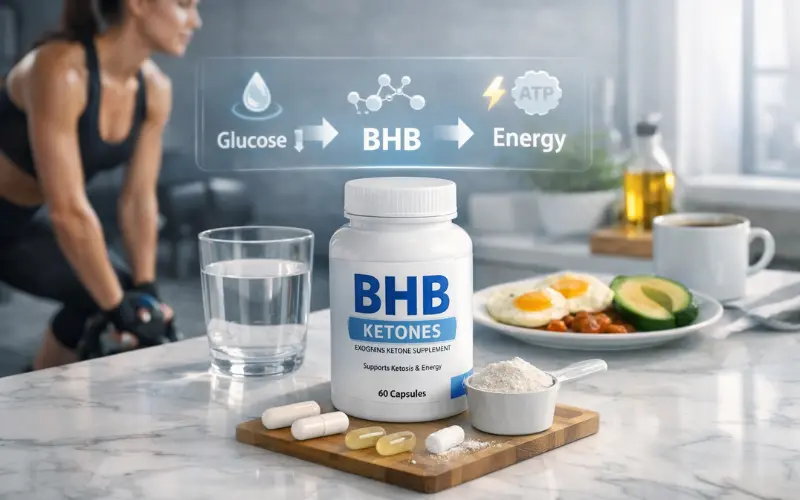
BHB is the most common active ingredient in keto lean supplements. It’s the same ketone your body produces naturally during ketosis. The idea behind BHB supplements is that taking exogenous (external) ketones raises your blood ketone levels, which could help you:
- Enter ketosis faster after eating carbs
- Reduce keto flu symptoms during the first week
- Get a quick energy boost
The reality? BHB supplements can raise your blood ketone levels temporarily. But they don’t burn fat on their own. Your body will use the supplemental ketones for energy instead of burning your stored fat — which is the opposite of what most people want. For long-term fat loss, nothing replaces being in a genuine calorie deficit with low carb intake.
That said, BHB supplements can have a legitimate role:
- During the adaptation phase (first 1–2 weeks of keto), they can soften the transition and reduce fatigue and brain fog
- Before workouts, they may provide a quick mental and physical energy boost
- After a cheat day, they can help you get back into ketosis faster
Common side effects of BHB supplements include bloating, gas, nausea, and stomach discomfort — especially when taken on an empty stomach. Start with a lower dose and take them with food to minimize this.
MCT Oil
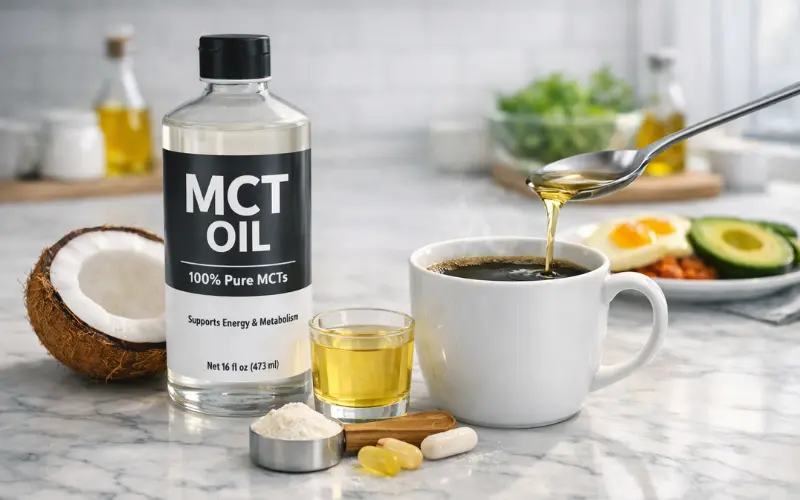
Medium-chain triglycerides (MCTs) are fats found in coconut oil that are rapidly converted to ketones by the liver. MCT oil is one of the more genuinely useful keto supplements. It provides fast-burning fuel, supports ketone production, and can reduce appetite.
Add 1–2 tablespoons to coffee, smoothies, or salad dressings. Don’t go overboard — too much too fast causes digestive distress.
Keto Lean Meal Replacement Shakes
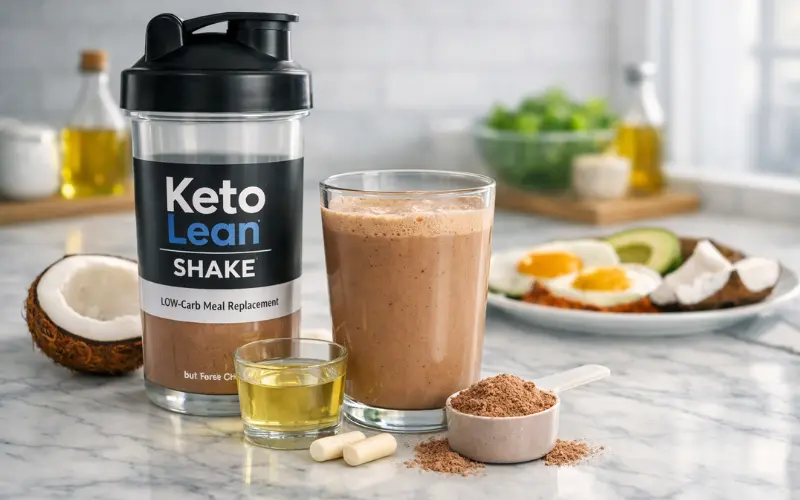
Brands like the now-closing KetoLean.com.au sell meal replacement shakes designed for ketogenic diets. These typically contain MCT oil, prebiotics, vitamins, and very low carbohydrates.
They can be useful for:
- Convenience when you can’t prepare a proper keto meal
- Controlling calories without thinking
- Getting into a calorie deficit easily
They’re not magic — they’re just a low-carb, portioned meal in a glass. If whole food works for you, stick to that. If convenience is a barrier to staying on track, a quality keto shake can fill the gap.
What to Look for in a Keto Lean Supplement
If you do decide to try one, here’s what to check:
- BHB salt forms: Look for calcium, magnesium, potassium, and sodium BHB — the forms your body absorbs best
- No proprietary blends: You want to see exact ingredient amounts, not just a “blend”
- L-carnitine: A useful addition that helps transport fatty acids into cells to be burned for energy
- No artificial sweeteners in excess: Some people find these spike cravings or cause digestive issues
- Third-party tested: Look for NSF or Informed Sport certification
Training for a Keto Lean Physique
Diet does the heavy lifting (no pun intended), but training determines how your body actually looks as you lose fat.
Resistance training is essential. Cardio burns calories, but lifting weights is what gives you shape, definition, and a higher resting metabolism. Aim for 3–4 sessions per week, focusing on compound movements — squats, deadlifts, rows, presses. You don’t need to go heavy every day. Progressive overload over time is what matters.
Low-intensity cardio is your friend. Walking, cycling at moderate pace, swimming — these keep you in the fat-burning zone without hammering your muscle recovery. 30–45 minutes a few times a week is plenty.
Don’t be afraid of the keto adaptation period. The first 2–3 weeks on keto, your athletic performance may dip. This is normal. Your muscles are learning to run on fat instead of glycogen. Most people fully adapt within 4–6 weeks and performance returns — often better than before for endurance activities.
How Long Does It Take to Get Lean on Keto?
This is one of the most common questions, and the answer depends on your starting point, how strictly you follow the diet, and how much you’re training.
Here’s a realistic timeline:
Week 1–2: Rapid weight loss (mostly water and glycogen depletion). You’ll look and feel less bloated. Don’t confuse this with fat loss — it’s just water.
Week 3–6: Your body becomes fat-adapted. Real fat loss begins. Energy stabilizes. Performance in the gym may return to normal.
Month 2–3: Noticeable changes in body composition. Fat coming off, muscle more visible. This is where keto lean results become apparent.
Month 3–6: Significant recomposition. People who combine keto with consistent training often report better results in this window than they’ve seen with any other diet.
Patience is part of the process. A realistic fat loss rate on keto (or any well-designed diet) is 0.5–1 pound of fat per week. Faster than that usually means you’re losing muscle or water too.
Common Mistakes That Stop You Getting Lean on Keto
Even people doing keto “correctly” can stall out. Here are the most common reasons:
Not eating enough protein. Many keto beginners under-eat protein out of fear it’ll kick them out of ketosis. Don’t make this mistake. Protein keeps you full, preserves muscle, and has a higher thermic effect than fat (meaning you burn more calories just digesting it).
Eating too much dietary fat. Keto is high-fat, yes — but if you want to burn stored body fat, you need to create a calorie deficit. Eating unlimited butter, cream, and cheese while wondering why you’re not losing fat is a real and common problem.
Hidden carbs. Sauces, dressings, dairy products, nuts, and keto-branded packaged foods often contain more carbs than people realize. Track carefully, especially in the first few weeks.
Not staying hydrated and maintaining electrolytes. Keto causes your kidneys to excrete more sodium, which pulls out potassium and magnesium too. Low electrolytes cause fatigue, cramps, and brain fog — all things people mistakenly blame on keto itself. Supplement sodium, potassium, and magnesium consistently.
Expecting overnight results. The keto adaptation period is real. Give it at least 4–6 weeks before judging whether keto is working for you.
Keto Lean vs. Just Keto: What’s the Difference?
“Just keto” can mean anything from aggressive calorie restriction to eating keto foods with no calorie awareness at all. “Keto lean” as a goal implies something more specific:
- You’re tracking protein deliberately (not just carbs)
- You’re in a moderate calorie deficit — not starving, not overeating
- You’re using resistance training to preserve and reveal muscle
- You’re giving your body time to adapt and recompose
This distinction matters because plenty of people do keto and lose weight on the scale without actually improving their body composition much. If you want to look lean — not just weigh less — the training and protein pieces have to be there.
Frequently Asked Questions
Is keto good for getting lean?
Yes. Keto is particularly effective for losing body fat while preserving lean muscle mass, especially when combined with adequate protein intake and resistance training. It also reduces appetite naturally, making it easier to stay in a calorie deficit without constantly fighting hunger.
Can you build muscle and get lean at the same time on keto?
This is called body recomposition, and it is possible on keto — especially for beginners, people returning to training after a break, or those who are overweight. It’s harder to do simultaneously if you’re already fairly lean and experienced in training, but keto still supports fat loss while maintaining muscle in that population.
What are keto lean supplements?
Keto lean supplements typically contain BHB (beta-hydroxybutyrate) salts, MCT oil, L-carnitine, and sometimes thermogenic ingredients like green tea extract or raspberry ketones. They’re designed to support ketosis, energy, and fat burning — but work best as a complement to a proper keto diet, not a replacement for one.
Do keto lean pills work without dieting?
No. Keto supplements don’t create the metabolic conditions needed for sustained fat loss on their own. They can support the process, but without reducing carb intake and creating a calorie deficit, they won’t produce meaningful results.
What is the fastest way to get lean on keto?
The most effective approach combines: net carbs under 25g daily, protein at 0.8–1g per pound of lean body mass, a 300–500 calorie daily deficit, and 3–4 resistance training sessions per week. This combination produces steady fat loss with muscle preservation consistently.
How much protein should I eat on keto to get lean?
Aim for 0.8 to 1.0 grams of protein per pound of your lean body mass per day. On days when you train hard, go closer to 1 gram. This is higher than many standard keto guides recommend, but it’s what the research supports for body recomposition.
What is the keto flu and will it affect my results?
Keto flu refers to symptoms like fatigue, headaches, irritability, and brain fog that some people experience during the first 1–2 weeks of keto as their body transitions away from carbs. It usually resolves on its own. Staying well-hydrated and supplementing electrolytes (sodium, potassium, magnesium) helps significantly. BHB supplements can also ease the transition.
Is a keto lean shake better than keto lean pills?
It depends on your goal. Shakes replace a meal and give you calories, protein, and fats in a controlled portion. Pills (BHB capsules) provide ketones and sometimes thermogenic support without adding significant calories. For body recomposition, getting enough protein from shakes or food is generally more important than taking BHB pills.
How long does it take to see results on a keto lean diet?
Most people notice initial bloat reduction and weight loss in week one (mostly water). Visible changes in body composition typically start appearing after 6–8 weeks of consistent keto combined with training. Significant recomposition results usually take 3–6 months of sustained effort.
What foods should I eat to get lean on keto?
Focus on high-quality proteins (chicken, beef, eggs, fish), healthy fats (avocado, olive oil, MCT oil), and fibrous low-carb vegetables (spinach, broccoli, zucchini). Minimize processed “keto” snacks, excessive dairy, and high-calorie nuts that make it easy to overeat.
Final Thoughts
Getting lean on keto is absolutely achievable — but it requires more than just cutting carbs. The people who see the best results treat protein as a priority, use fat as a fuel lever rather than an unlimited indulgence, stay consistent with training, and give their body time to adapt.
As for keto lean supplements — BHB and MCT oil can support your journey, but they’re just that: support. They don’t replace the fundamentals.
If you dial in your macros, eat real food, move your body consistently, and stay patient through the adaptation phase, keto is one of the most effective tools for building a genuinely lean physique.