If you’ve spent any time scrolling through keto drinks for sale online, you’ve probably noticed most listings tell you almost nothing useful. A price, a flavor, a “0g sugar” badge, and that’s it. Nobody explains what you’re actually paying for or why two “keto friendly” drinks can behave completely differently in your body.
I want to fix that here.
Keto drinks for sale generally fall into four categories: electrolyte mixes, sugar-free flavor enhancers, protein or meal-replacement shakes, and exogenous ketone supplements. The best pick depends on your goal (hydration, satiety, or a quick ketone boost), and the label details, not the “keto friendly” claim, are what determine whether a drink actually fits your carb budget.
Let’s get into the parts nobody covers.
The Carb Math Nobody Explains on the Bottle
“Net carbs” is the number that matters on keto, and it’s calculated by subtracting fiber and certain sugar alcohols from total carbs. Sounds simple. It isn’t, because not all sugar alcohols behave the same way.
Erythritol is close to metabolically inert. Your body barely absorbs it, so subtracting it from total carbs is fair.
Maltitol, on the other hand, is only partially subtracted in most nutrition labeling, and it still raises blood sugar in a meaningful number of people. I’ve seen keto shakes advertise “3g net carbs” while using maltitol as the primary sweetener, and for some people that number just doesn’t hold up in real life. If a label lists maltitol, glycerin, or “corn syrup solids” high up in the ingredients, don’t take the net carb number at face value.
There’s also the serving size trick. A 16 oz bottle that lists “2g net carbs per serving” might actually contain two servings. Drink the whole bottle in one sitting (which most people do) and you’ve doubled your carb count without realizing it. Always check the servings-per-container line, not just the per-serving number.
My experience
One thing I’ve noticed whenever I compare keto drinks is that two products with the same net carb claim can perform very differently in real life. I’ve found that checking the sweetener type tells me far more than the marketing on the front of the bottle. It’s a small detail, but it’s become the quickest way I separate products I’d actually buy from ones I’d leave on the shelf.
What Your Electrolytes Actually Need (Real Numbers)
Most people know keto causes water loss. Fewer people know the actual mineral targets, so they buy an electrolyte drink, assume it’s “handling it,” and still feel foggy by 3pm.
Rough daily targets once you’re fat-adapted:
Sodium:
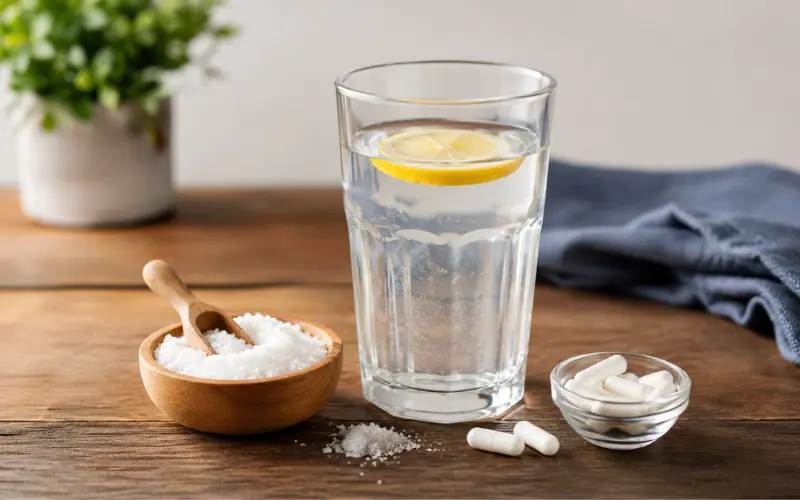
3,000 to 5,000 mg (yes, that’s higher than standard dietary advice, because keto flushes sodium through the kidneys at a faster rate)
Potassium:
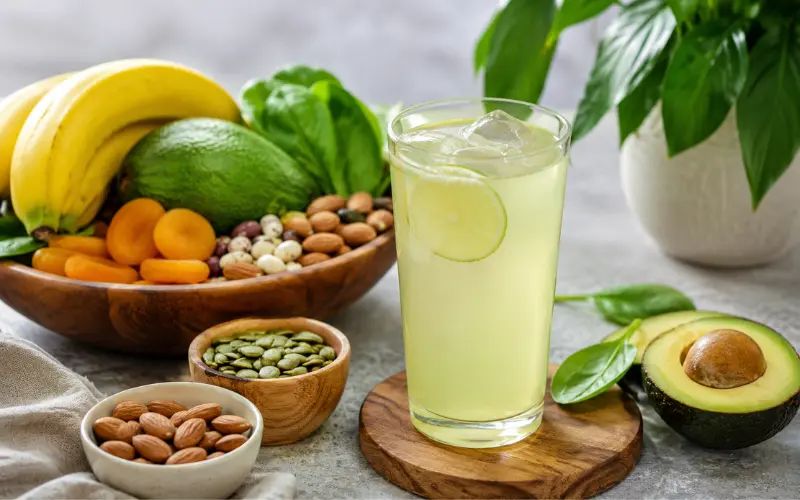
1,000 to 3,500 mg from food and supplements combined
Magnesium:
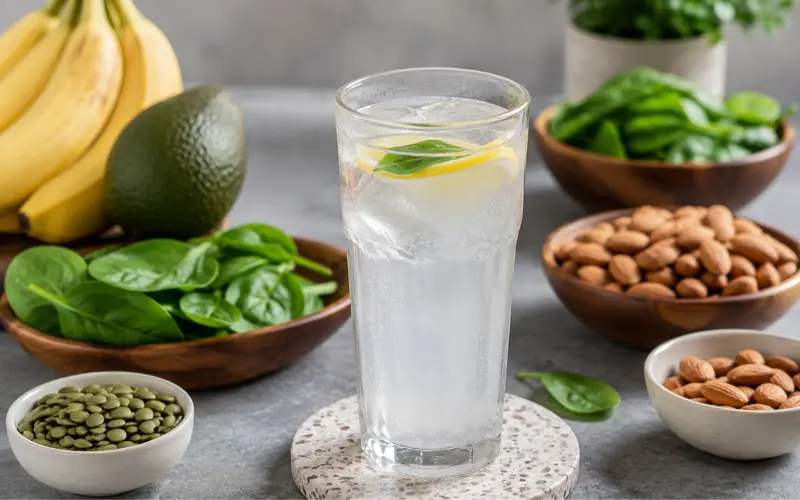
300 to 400 mg
Here’s the part that surprises people: a lot of popular electrolyte drink mixes only provide 200 to 500mg of sodium per serving. That’s fine as a top-up alongside salted food, but it won’t cover you on its own if you’re not also salting your meals. I’ve watched clients buy a fancy electrolyte drink, drink one packet a day, and still get afternoon headaches because the sodium math simply didn’t add up for their body weight and activity level.
If you’re active or sweating a lot (training, sauna, hot climate), look for a mix that hits at least 800 to 1,000mg of sodium per serving, not the 300mg “wellness influencer” versions.
Exogenous Ketone Drinks: Worth Buying or Not?
This is where a lot of shopping guides go quiet, probably because it’s genuinely a mixed bag. Products like Pruvit ketones and other BHB (beta-hydroxybutyrate) salt drinks raise your blood ketone levels within 30 to 60 minutes of drinking them, regardless of what you ate that day.
What that actually means in practice:
- They can raise blood ketones on a reading, but that doesn’t mean you’re “more in ketosis” metabolically the way fat-adaptation works. It’s an exogenous spike, not a sign your body is running efficiently on fat.
- They don’t reliably cause weight loss on their own. Any appetite suppression tends to be short-lived and mild.
- Taste and GI tolerance vary a lot. BHB salts carry sodium, calcium, and magnesium along with them, and some people get stomach discomfort or loose stools, especially the first few uses.
- Cost per serving is high, often $2 to $4 a packet, compared to $0.30 to $0.75 for a standard electrolyte mix.
Where they genuinely help: bridging the rough first week of keto adaptation (often called “keto flu”), or a pre-workout boost for fasted training when you want fuel without breaking a fast. If your goal is just steady weight loss and stable energy, your money is usually better spent on real food and a solid electrolyte routine than on a daily ketone drink.
Keto-Friendly Alcohol: What Actually Fits
Since this comes up constantly in keto communities, it’s worth a straight answer.
Lower carb options:
- Spirits served neat or on the rocks (vodka, gin, whiskey, tequila) sit near 0g carbs per shot
- Dry wines (dry red, dry white, brut champagne) run roughly 2 to 4g carbs per 5oz glass
- Hard seltzers vary widely, some sit under 2g carbs, others are closer to 5g, so check the can
Skip or limit:
- Beer, even “light” beer, carries carbs from the grain mash
- Sweet liqueurs, dessert wines, and mixed cocktails with juice or soda
- Flavored malt beverages, which are often carb bombs disguised as seltzer
One practical note that gets left out of most guides: alcohol dehydrates you on top of the fluid loss keto already causes, which makes hangovers and “keto flu” symptoms compound each other. If you’re drinking, double down on electrolytes before bed, not just water.
Where to Buy Keto Drinks for Sale (And When Each Option Actually Makes Sense)
Not every retailer serves the same purpose, and picking the wrong one for your situation means paying more or getting stuck with limited flavor options.
| Where to Buy | Best For | Watch Out For |
|---|---|---|
| Specialty keto retailers | Widest selection of true low-carb formulations, easier to compare brands side by side | Shipping costs and delivery time on a single order |
| Big-box health/vitamin stores | Same-day pickup, easy returns, loyalty discounts on repeat orders | Smaller keto-specific selection than specialty shops |
| Mass retailers (Walmart-type) | Lowest prices, fastest delivery, good for shakes and mainstream brands (Atkins, Boost) | Curated selection leans toward mainstream diet brands, fewer niche electrolyte or ketone products |
| Direct from brand website | Freshest stock, subscription discounts, full ingredient transparency | No side-by-side comparison with competitor brands |
If you’re just trying one flavor to see if you like it, a mass retailer or subscription box is the cheapest entry point. If you’re managing electrolytes seriously (athletes, intermittent fasters, anyone prone to keto flu), a specialty retailer with a dedicated keto drinks section usually stocks the higher-sodium, purpose-built formulas that general retailers don’t carry.
How to Read a Keto Drink Label in 10 Seconds
Here’s the exact order I check when I’m standing in an aisle or scrolling a product page:
- Total carbs minus fiber minus erythritol gives you the real net carb number, don’t trust the front-of-label claim alone
- First three ingredients tell you what you’re mostly drinking, if sugar, maltodextrin, or fruit juice concentrate shows up early, it’s not really keto regardless of the badge
- Sweetener type, stevia and monk fruit are generally well tolerated, sucralose and sugar alcohols like maltitol cause more digestive complaints
- Caffeine content, if you’re drinking more than one caffeinated keto product a day (coffee plus an energy-style electrolyte drink plus a ketone supplement), you can stack past 400mg without noticing
- Sodium per serving, cross-check it against your daily target instead of assuming “electrolyte drink” automatically means “enough electrolytes”
Common Buying Mistakes I See Beginners Make
A few patterns show up again and again with people new to keto shopping:
- Buying flavored sparkling water and assuming “sugar-free” automatically means keto, some still use fruit juice or agave for flavor
- Choosing a protein shake based on protein grams alone, without noticing it’s made with milk protein concentrate, which quietly adds carbs
- Grabbing an “energy” branded keto drink without checking for maltodextrin, a fast-digesting carb often used as a filler
- Stacking multiple caffeinated or ketone products in one day, leading to jitters, elevated heart rate, or trouble sleeping
- Judging a drink by its marketing color scheme (green leaves, “clean” fonts) instead of the actual nutrition panel
FAQs
Are Pruvit ketones actually keto friendly?
Yes, Pruvit’s BHB salt Keto Drinks for Sale are formulated to be low or zero carb and won’t knock you out of ketosis. They raise blood ketone readings temporarily, but that’s different from your body producing ketones through fat adaptation.
Can you drink alcohol and stay in ketosis?
In moderation, yes, if you stick to spirits neat, dry wine, or low-carb hard seltzer. Your liver prioritizes metabolizing alcohol over burning fat while it’s in your system, so ketone production briefly slows, but it typically resumes once the alcohol clears.
What’s the healthiest keto drink to buy regularly?
Plain or sparkling water with a stevia-based electrolyte mix is the most sustainable daily choice for most people, since it avoids added sweeteners beyond what you need and covers your sodium and magnesium needs without excess caffeine or additives.
Do keto drinks break a fast?
Anything with calories, including protein shakes and most flavored electrolyte drinks, breaks a fast in the strict sense. Plain electrolytes (just sodium, potassium, magnesium with no calories) and black coffee generally don’t.
How many keto drinks can I have in a day?
There’s no fixed number, it depends on the type. One or two electrolyte servings plus normal food-based sodium is usually enough for most non-athletes. Ketone supplements are typically used once daily, not stacked multiple times.
Are keto drinks safe for diabetics?
Many are, since Keto Drinks for Sale low sugar and low net carbs align well with blood sugar management, but sugar alcohols like maltitol can still affect blood glucose in some people with diabetes. Checking with a doctor before adding ketone supplements specifically is a good idea, since they can interact with blood sugar medications.
What’s the difference between a “keto drink” and a “sugar-free drink”?
Sugar-free only means no added sugar, it says nothing about total carbs, sugar alcohols, or serving size. A drink can be sugar-free and still carry 15g of net carbs from other ingredients, so the two labels aren’t interchangeable.
Can keto drinks cause digestive issues?
Yes, particularly ones sweetened with sugar alcohols like maltitol or sorbitol, or ones with a high dose of magnesium. Starting with half a serving when trying a new brand is a simple way to check your tolerance before committing to a full bottle or full case.