Running a keto family isn’t about getting your whole household to eat cauliflower rice and love it. It means building a kitchen system where one person (or a few) can stay in ketosis while everyone else eats a normal, satisfying meal, without you cooking twice or turning dinner into a negotiation. The real skill isn’t finding keto recipes. It’s designing meals that flex.
That distinction is where most keto family content stops short, and it’s exactly where this guide starts.
Why Most “Keto Family” Advice Falls Apart in Real Kitchens
Most articles hand you a list of low-carb recipes and call it a day. That works fine if your whole household eats keto. It falls apart the second you’ve got a kid who won’t touch avocado, a partner who wants rice with dinner, or a teenager who eats a separate meal out of pure stubbornness.
Here’s what actually breaks keto family plans:
- Cooking fatigue. Making two versions of dinner every night for months is how keto diets die. Not from lack of willpower, from lack of energy.
- Grocery bill shock. Almond flour, grass-fed beef, and specialty cheeses add up fast when you’re feeding four or five people instead of one.
- Kid nutrition concerns. Growing kids generally need more carbs than an adult on a therapeutic keto plan, and pediatricians will tell you that outright restricting a child’s carbs without medical supervision isn’t something to DIY.
- Social friction. Birthday parties, grandma’s cooking, school lunches. Keto rules that work at your own dinner table get tested constantly outside of it.
A keto family plan that ignores these four pressure points will fail within six weeks. I’ve watched it happen with clients more times than I can count.
The “One Base, Two Endings” Method
This is the actual fix, and it’s simpler than most people expect.
Cook one protein and one vegetable base for everyone. Then split the table into two “endings”:
- Keto ending: cauliflower rice, extra vegetables, avocado, a fattier sauce
- Standard ending: rice, pasta, bread, or potatoes on the side
Nobody eats a separate meal. Everybody eats the same taco filling, the same roasted chicken, the same sheet-pan salmon. The only thing that changes is what goes underneath or alongside it.
Why this works better than “keto meals” and “regular meals” cooked separately:
- One shopping list instead of two
- One pan of protein instead of doubled cooking time
- Kids still get familiar carbs without you tracking two separate diets
- The keto eater in the house never feels punished or left out at the table
This is the single biggest shift that separates families who stick with keto for a year from families who quit after a month.
Real Grocery Math for a Keto Family (Not Just “Buy Healthy Fats”)
Nobody talks numbers, so here’s a straight answer. A keto-adjacent family of four spends noticeably more than a standard grocery budget, mainly because of three ingredient categories:
| Ingredient Category | Why It Costs More | Budget-Friendly Swap |
|---|---|---|
| Nut flours (almond, coconut) | Priced per pound like a specialty item | Buy in bulk online instead of small grocery bags; freeze extra |
| Specialty cheeses | Higher fat, higher price per ounce | Use block cheese you shred yourself, it’s cheaper than pre-shredded |
| Keto-branded packaged snacks | Marketing markup, not nutrition markup | Make your own fat bombs or jerky in batches on Sundays |
The fix isn’t avoiding keto ingredients. It’s buying the base ingredients (eggs, ground meat, frozen vegetables, block cheese) in bulk, and treating almond-flour baked goods as an occasional item, not a daily staple. Families who keep keto grocery costs down usually build meals around cheaper cuts of meat (thighs, ground beef, whole chickens) rather than premium cuts, and lean on frozen vegetables instead of fresh out-of-season produce.
What Pediatric Guidelines Actually Say About Kids and Keto
This gets skipped constantly, and it matters.
Medical ketogenic diets exist and they’re real. They’re used under close medical supervision, most often for children with drug-resistant epilepsy, and they’re calculated by a dietitian down to the gram. That is a completely different thing from putting your whole family, kids included, on a low-carb diet because a parent wants to lose weight.
For growing kids without a medical reason to restrict carbs:
- Kids generally need more total energy and carbohydrate for growth, brain development, and activity than an adult maintaining ketosis
- Pediatric dietitians generally recommend keeping kids on a balanced diet with whole-food carbs (fruit, whole grains, dairy) rather than strict keto, unless a doctor has specifically prescribed it
- The “One Base, Two Endings” method above solves this naturally: kids get real carbs alongside the same wholesome protein and vegetables the rest of the family eats
If you want your kids eating fewer processed carbs and sugar, that’s a completely reasonable goal, and totally different from putting a 7-year-old into ketosis. Talk to your pediatrician before restricting a child’s diet in any structured way, especially if there’s any history of growth concerns or disordered eating in the family.
Handling the Situations Keto Recipe Blogs Never Cover
Recipes solve dinner. They don’t solve real life. Here’s what actually trips families up.
School lunches:
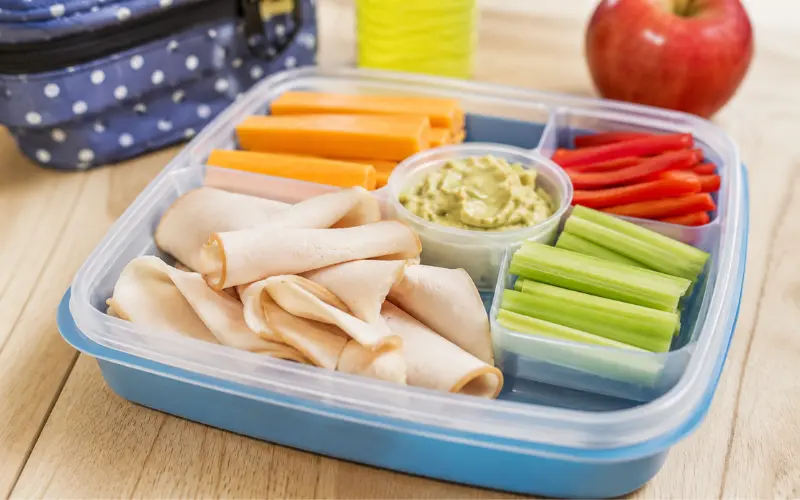
Pack the protein cold (sliced meat, hard-boiled eggs, cheese) with cut vegetables and a fat-based dip like ranch or guacamole. Skip trying to recreate a keto version of whatever’s trending at school. Kids compare lunches, and a weird-looking substitute draws more attention than a simple protein-and-veggie box.
Birthday parties and holidays:
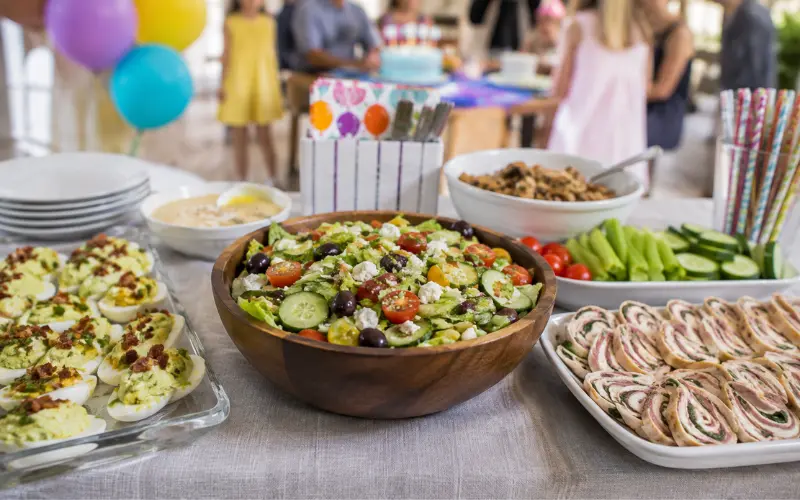
Eat before you go if it’s a low-control environment like a friend’s party. Bring one dish you know is keto-friendly to share, so there’s always something safe on the table without singling your kid out.
A partner who isn’t doing keto at all:

Stop trying to convert them through the food. Cook shared bases (the method above), season your portion differently at the end, and let them build their plate the way they want. Trying to sneak low-carb swaps into a resistant partner’s meals usually backfires and breeds resentment, not buy-in.
Grandparents who “just want to spoil the grandkids”:

This one’s emotional, not nutritional. Pick your battles. A cookie at grandma’s house once a week isn’t going to undo a family’s eating habits. Save your energy for the meals you actually control.
A Simple Weekly Rhythm That Prevents Burnout
Families who stay consistent with keto long-term tend to follow a loose weekly rhythm rather than planning every single meal from scratch:
- 2-3 “One Base, Two Endings” dinners built around a protein you already know well (chicken thighs, ground beef, salmon)
- 1 batch-cook day (usually Sunday) for snacks, hard-boiled eggs, and anything that needs prep time, like fat bombs or shredded cheese
- 1 “easy button” night using a rotisserie chicken or pre-made protein with just a fast vegetable side
- 1 flexible night where the family eats whatever’s left over or orders something everyone can adapt (think build-your-own bowls)
This rhythm matters more than any single recipe. It’s the difference between keto being a sustainable habit and keto being a project that collapses the first busy week.
My Experience
I’ve also found that families don’t usually struggle because they run out of recipes—they struggle because they run out of time and energy. Having a few dependable meals that everyone already enjoys removes a lot of the daily decision-making, and that’s often what keeps the routine going through busy weeks.
Quick Reference: What to Keep Stocked
- Eggs, block cheese, ground meat, and frozen vegetables (your cheap, flexible core)
- One or two sauces everyone likes (a good pesto or a sugar-free ranch goes a long way)
- Pre-washed greens for a fast side salad when you’re out of time
- A stash of nuts or cheese crisps for the keto eater’s snack drawer
- Regular carb staples (rice, bread, pasta) kept separate for the “standard ending”
FAQs
Can one person do keto while the rest of the family eats normally?
Yes, and it’s actually more sustainable than converting the whole household at once. The “One Base, Two Endings” approach lets one person stay in ketosis while everyone else eats regular carbs, without anyone cooking a second meal.
Is it safe to put my kids on a keto diet?
Only under medical supervision, typically for a specific medical condition like epilepsy. For general weight management or health goals, pediatric guidance usually favors a balanced diet with whole-food carbs rather than strict keto for growing children.
How do I stop keto from being too expensive for a family?
Build meals around cheaper proteins like ground beef, chicken thighs, and eggs, buy nut flours in bulk instead of small grocery-store bags, and treat keto snack products as occasional purchases rather than pantry staples.
What’s the easiest keto family dinner when I have zero time?
A rotisserie chicken with a bagged salad or steamed frozen vegetables covers the whole “One Base, Two Endings” method in under 10 minutes of actual cooking.
How do I handle keto at birthday parties without my kid feeling left out?
Eat beforehand if the food options are unpredictable, and bring one dish to share that you know fits, so there’s always a safe option without drawing attention to the difference.
Do I need to buy special keto products to make this work?
No. Whole foods (meat, eggs, cheese, non-starchy vegetables) do the heavy lifting. Specialty keto snacks and baked goods are convenient, not necessary, and they’re usually the most expensive part of the grocery list.
What should I pack for a keto kid’s school lunch?
Cold protein like sliced meat, hard-boiled eggs, or cheese, paired with cut vegetables and a fat-based dip. Simple, familiar items draw less attention than trying to recreate trendy lunchbox foods in a low-carb version.
How long does it take for a family to adjust to eating this way?
Most families need about three to four weeks to settle into a rhythm, mainly because that’s how long it takes to build a rotation of go-to bases and sauces everyone actually likes, rather than relying on new recipes every single night.