The keto es is a very low-carb, high-fat eating plan that pushes your body to burn fat for fuel instead of sugar. You cut carbs down to roughly 20 to 50 grams a day, which forces your liver to produce ketones, an alternative energy source your cells can run on. Most people try it for weight loss or better blood sugar control, but it also has a specific, well-documented effect on blood pressure that almost nobody explains properly.
That last point matters more than most articles let on, and I’ll get into exactly why later in this piece.
My Experience
Before starting keto, it helps to understand that the diet is more than simply cutting bread and sugar. Success depends on balancing healthy fats, moderate protein, and very low carbohydrate intake while paying attention to hydration and electrolytes. Knowing what to expect during the first few weeks can make the transition easier and reduce common mistakes that cause many beginners to quit early.
What Actually Happens Inside Your Body on Keto
Cutting carbs doesn’t just “burn fat.” It triggers a chain reaction that most beginner guides skip entirely.
When glucose runs low, your insulin levels drop. Low insulin is the real trigger here, not the ketones themselves. Your body reads that drop as a signal to release stored fat and stop hoarding it.
Here’s the part that surprises people: your kidneys also start dumping excess sodium and water almost immediately. This is why the scale moves so fast in week one. It’s not fat loss yet. It’s fluid.
That fluid shift is also the root cause of nearly every early keto symptom, including the fatigue and headaches people blame on “detox.” There’s no detox happening. Your electrolytes are just running low.
What You Eat in a Realistic Keto Day

Forget the theoretical macro percentages for a second. Here’s what an actual day looks like for someone doing this correctly:
Breakfast:
Eggs cooked in butter or olive oil, with avocado in breakfast
Lunch:
Grilled chicken or salmon over leafy greens, olive oil dressing
Snack:
A handful of macadamia nuts or a cheese stick
Dinner:
Steak or pork chops with roasted low-carb vegetables (zucchini, asparagus, broccoli)
Drinks:
Water, black coffee, plain tea, or bone broth
Foods to steer clear of: bread, pasta, rice, potatoes, most fruit, sugary drinks, beer, and anything labeled “low-fat” (those are usually loaded with hidden sugar to make up for the missing fat).
One thing competitors rarely mention: net carbs, not total carbs, are what actually matter. You calculate net carbs by subtracting fiber from total carbohydrates. A cup of raspberries has 15g of total carbs but only 7g net, because fiber doesn’t spike blood sugar. Ignoring this distinction is the number one reason people think they’re “doing keto” while eating themselves out of ketosis.
| Macronutrient | % of Daily Calories | Why It Matters |
|---|---|---|
| Fat | 70-75% | Main fuel source once glucose is restricted |
| Protein | 20-25% | Moderate, not high, to avoid excess conversion to glucose |
| Carbohydrates | 5-10% | Kept low enough to sustain ketone production |
Not All Keto Es Plans Are the Same
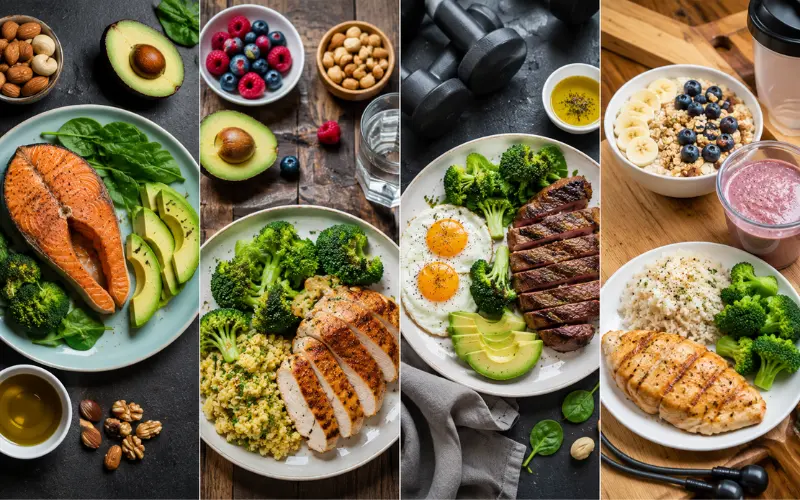
This is where most competing articles stop short. There isn’t one keto es, there are four, and picking the wrong one for your lifestyle is a common reason people quit.
- Standard keto: The default version most people mean when they say “keto.” Fixed low-carb intake every day.
- Cyclical keto: Five strict days, then two higher-carb days. Popular with people who found strict keto diet socially exhausting.
- High-protein keto: Protein bumped up to around 30% of calories. Better suited to people trying to preserve muscle while losing fat, especially older adults.
- Targeted keto: Carbs are timed around workouts. Common among lifters and endurance athletes who need glycogen for performance but still want the metabolic benefits between sessions.
If you’re sedentary and mostly want fat loss, standard keto is simplest. If you lift weights four times a week, targeted keto usually works better in practice, since pure standard keto can tank your gym performance for the first month.
Keto and Blood Pressure: What the Research Actually Shows
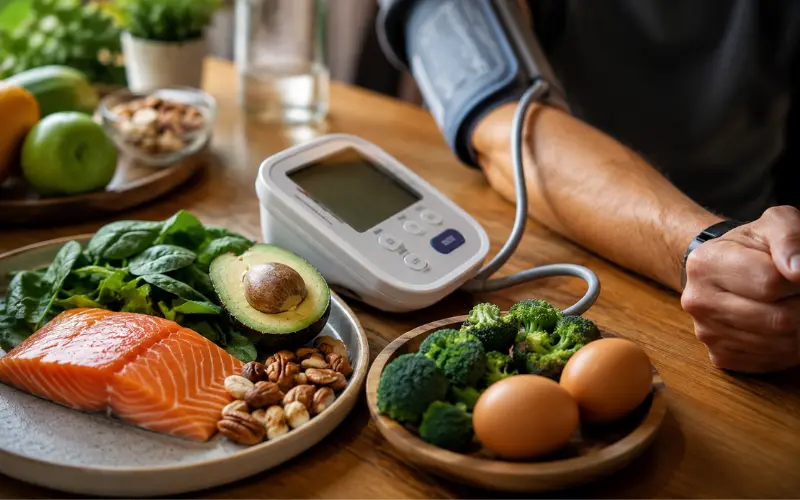
This question gets searched constantly, and most health sites give a vague, non-answer. Here’s the real picture.
For most people without complications, keto tends to lower blood pressure, sometimes meaningfully, within the first few weeks. This happens through two mechanisms: the drop in insulin reduces sodium retention, and the weight loss itself eases pressure on the cardiovascular system.
But there’s a catch that matters a lot if you’re already being treated for hypertension. If you’re on blood pressure medication, especially diuretics or ACE inhibitors, the combined effect of the drug plus keto’s natural fluid loss can push your blood pressure down too far, too fast. Some people experience dizziness or lightheadedness standing up, which is a sign of mild hypotension, not a keto “side effect” to push through.
The practical takeaway: if you have high blood pressure and take medication for it, tell your doctor before starting keto. Many need their dosage adjusted within the first two to four weeks, not stopped, just recalibrated. Skipping this step is one of the more avoidable mistakes I see people make.
The First Two Weeks: What Nobody Tells You
The “keto flu” gets mentioned everywhere, but rarely explained in a way that actually helps you get through it.
Here’s what field experience with this diet actually looks like:
- Days 1 to 3: Headaches, irritability, and brain fog show up. This is sodium and water loss, not sugar withdrawal in the way people describe it.
- Days 4 to 7: Energy usually dips hardest here, especially during exercise. Muscle cramps are common, which points to low magnesium and potassium, not just sodium.
- Week 2: Most people report a noticeable rebound in mental clarity and steadier energy, once the body adapts to running on ketones.
The single most effective fix, and the one most articles bury at the bottom or skip: drink a cup of broth or add a pinch of salt to your water once or twice a day during week one. It solves most of the “keto flu” symptoms within 24 to 48 hours, far faster than just waiting it out.
Who Should Think Twice Before Starting
Keto isn’t universally safe, and a few groups need real caution rather than a generic “talk to your doctor” line:
- People with a history of kidney stones, since the diet can concentrate certain minerals in urine
- Anyone with gallbladder disease, since digesting that much fat puts extra demand on bile production
- Pregnant or breastfeeding women, where nutrient needs shift significantly
- People with a history of disordered eating, since the restrictive structure can reinforce unhealthy patterns
- Anyone on insulin or sulfonylureas for diabetes, where medication doses often need immediate adjustment to avoid dangerously low blood sugar
Common Mistakes That Quietly Stall Progress
A few patterns show up again and again with people who “do everything right” but don’t see results:
- Eating too much protein. Excess protein can convert to glucose through gluconeogenesis, which slows ketone production. This surprises a lot of people who assume more protein is always better on a low-carb plan.
- Drinking bulletproof coffee daily without adjusting other fats. It’s easy to blow past your fat target and end up in a calorie surplus, which stalls weight loss even in full ketosis.
- Not eating enough. Appetite naturally drops on keto, and some people under-eat to the point of fatigue and irritability that has nothing to do with carb restriction.
- Relying on “keto” packaged snacks. Many use sugar alcohols that spike blood sugar in some people or cause digestive upset in bulk.
Can You Stay on Keto Long Term?
Short answer: yes, but with caveats that depend entirely on the individual.
People managing epilepsy or type 2 diabetes under medical supervision have stayed in nutritional ketosis for years without documented upper limits on duration. For general weight loss, most people don’t need to stay strictly keto forever. A common, sustainable pattern is strict keto until you hit your goal, then a gradual carb reintroduction to find your personal maintenance range, often somewhere between 50 and 100 grams a day.
The people who struggle most with long-term sustainability are usually the ones who never transition off the “beginner” strict phase, even after their body and goals have changed.
FAQs
What is the keto es and what does it consist of?
It’s an eating plan built around very low carbohydrate intake, roughly 20 to 50 grams a day, with the rest of your calories coming mostly from fat and a moderate amount of protein. The goal is to shift your body’s main fuel source from glucose to ketones.
What is the keto es and what should you eat?
Focus on meat, fish, eggs, cheese, natural fats like olive oil and butter, and low-carb vegetables that grow above ground, such as spinach, broccoli, and zucchini. Skip grains, starchy vegetables, sugar, and most fruit.
What is the keto es and how does it work?
It works by restricting carbs enough that your liver starts converting fat into ketones for energy. Insulin drops, stored fat becomes more accessible, and many people experience reduced hunger as a side effect of that hormonal shift.
Is the keto es good for people with high blood pressure?
For most people, yes, it often lowers blood pressure through reduced fluid retention and weight loss. If you’re on blood pressure medication, talk to your doctor first, since dosages frequently need adjusting once you start.
How quickly do you enter ketosis?
Typically two to four days of strict carb restriction, though it varies based on your activity level, prior carb intake, and metabolism. You can confirm it with urine strips, a breath analyzer, or a blood ketone meter.
Can you drink alcohol on keto?
Dry wine and spirits without sugary mixers fit within keto’s carb limits. Beer and sweet cocktails don’t, since they’re carb-heavy and can knock you out of ketosis quickly.
Does keto cause muscle loss?
Not if protein intake is adequate. Aim for roughly 1.2 to 2 grams of protein per kilogram of your reference body weight to protect muscle mass while losing fat.
Is it normal to stop losing weight after a few weeks on keto?
Yes, this is usually a stall from unintentional overeating of fats, not a metabolic failure. Tracking food for a few days often reveals the cause quickly.
Final Thoughts
The keto es is more than just a low-carb trend. When done correctly, it shifts your body into using fat for fuel, which can support weight loss, improve blood sugar control, and help many people feel fuller with fewer cravings. Success, however, comes from understanding the fundamentals rather than chasing quick results. Paying attention to electrolyte intake, choosing whole foods over heavily processed “keto” products, and keeping protein and carbs in the right balance will make the transition much smoother.
Like any eating pattern, keto isn’t a one-size-fits-all solution. Your health history, medications, activity level, and long-term goals all influence whether it’s the right approach for you. If you decide to try it, focus on building sustainable habits instead of aiming for perfection. A well-planned keto lifestyle is far easier to maintain—and far more effective—than an overly restrictive diet that you can’t stick with.