You’ve probably heard both camps make big promises. Keto fans swear by rapid fat loss. Paleo fans swear by sustainable, long-term results. So which one actually delivers when your goal is losing weight and keeping it off?
The honest answer: it depends on your body, your habits, and how much structure you can realistically stick with. This guide breaks down keto vs paleo for weight loss using real evidence, not hype, and covers a few things most articles on this topic leave out entirely, like grocery costs, a hybrid approach, and what your first 30 days actually look like on each plan.
My Experience
After comparing keto and paleo meal plans, reviewing current nutrition research, and following the experiences of people who’ve used both approaches for weight loss, I’ve found that no single diet works best for everyone. Keto often delivers faster early results because of strict carb restriction, while paleo is generally easier to maintain over the long term thanks to its focus on whole, minimally processed foods. The most successful approach is usually the one that fits your lifestyle and can be followed consistently.
What Is the Keto Diet?
The ketogenic diet is a high-fat, very low-carb eating plan designed to push your body into ketosis. In ketosis, your liver converts stored fat into ketones and uses them for fuel instead of glucose.
A standard keto macro breakdown looks like this:
- Fat: 70% to 80% of daily calories
- Protein: 15% to 25% of daily calories
- Carbohydrates: 5% to 10% of daily calories, usually under 50 grams a day
To stay in ketosis, you need to track carbs closely. Bread, pasta, rice, most fruit, and starchy vegetables are off the table.
What Is the Paleo Diet?
The paleo diet, often called the caveman diet, is built around foods early humans could hunt, fish, or gather. The idea is simple: eat like our ancestors did before farming and food processing changed the modern diet.
Paleo doesn’t restrict carbs the way keto does. Instead, it restricts food categories. On paleo, you can eat:
- Meat, poultry, and fish
- Eggs
- Fruits and vegetables
- Nuts and seeds
- Healthy oils like olive oil and avocado oil
Grains, legumes, dairy, refined sugar, and processed foods are excluded, but whole-food carbs like sweet potatoes, squash, and fruit are welcome.
Keto vs Paleo for Weight Loss: The Core Difference
Here’s the part most comparison articles gloss over: keto controls macronutrients, while paleo controls food quality. That single distinction changes everything about how each diet affects your weight.
On keto, you could technically eat bacon, cheese, and butter all day and stay “on plan,” as long as your carbs stay low. On paleo, even a large plate of sweet potato and fruit is allowed, because the focus is on where your food comes from, not its macro breakdown.
This matters for weight loss because:
- Keto vs Paleo for Weight Loss creates rapid water and fat loss early on by depleting glycogen stores, which hold water in your muscles.
- Paleo creates a slower, steadier calorie deficit by naturally cutting processed foods and added sugar, without demanding strict carb counting.
Keto vs Paleo: Quick Comparison Chart
| Factor | Keto Diet | Paleo Diet |
|---|---|---|
| Carb limit | Under 50g/day | No fixed limit |
| Fruit allowed | Very limited (berries mostly) | Yes, in moderation |
| Dairy allowed | Yes, high-fat only | No, except occasional ghee |
| Grains and legumes | Excluded | Excluded |
| Tracking required | Strict macro tracking | Minimal tracking |
| Early weight loss speed | Fast (often water weight) | Gradual |
| Long-term adherence | Harder | Easier |
| Best for | Short-term fat loss, blood sugar control | Sustainable lifestyle change |
Which Diet Burns Fat Faster in the First Month?
Keto typically wins the sprint. Because carb restriction is so aggressive, your body sheds glycogen-bound water within the first one to two weeks, and many people see the scale drop noticeably fast. Some of that early loss is water, not pure fat, but it’s still real weight coming off, and it can be a strong motivator to keep going.
Paleo doesn’t trigger that same rapid water shift because it doesn’t restrict all carb sources. Weight loss on paleo tends to build gradually as processed food, added sugar, and mindless snacking naturally drop out of your routine.
If your goal is a quick number on the scale before an event, keto often moves faster. If your goal is fat loss you can maintain for years, paleo tends to hold up better.
Long-Term Weight Loss: Where Paleo Pulls Ahead
Here’s where the comparison shifts. Strict carb limits are hard to maintain for months at a time. Studies on long-term diet adherence consistently show that flexible, whole-food approaches outperform highly restrictive ones once you look past the first three to six months.
Paleo’s flexibility around carbs, especially fruit and root vegetables, makes it far easier to sustain at family dinners, social events, and while traveling. Fewer people quit paleo out of frustration, simply because there’s more room to make it work day to day.
Keto can absolutely deliver long-term results too, but it usually requires more planning, more label-reading, and more willingness to say no in social situations.
The Paleo-Keto Hybrid: A Middle Ground Most Guides Skip
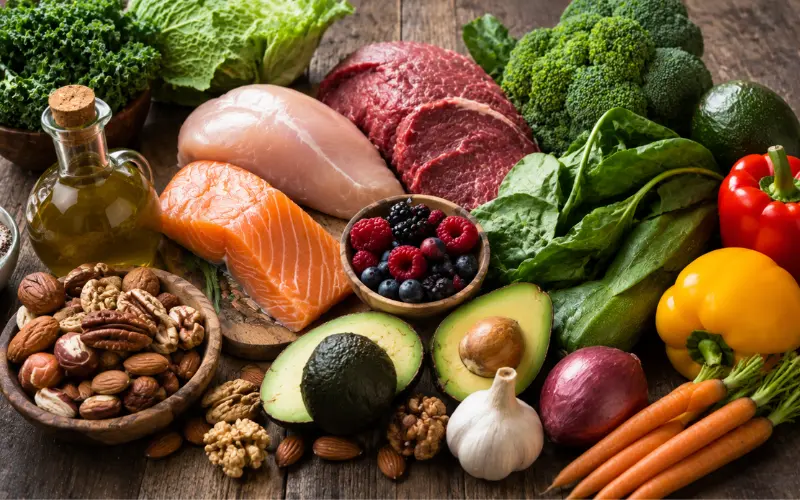
Here’s something competitor articles on this topic rarely mention: you don’t have to choose one diet forever. A growing number of people use what’s sometimes called “paleo-keto” or “primal-keto” eating, a hybrid approach that borrows the best of both.
The hybrid method works like this:
- Follow paleo’s whole-food rules (no grains, legumes, dairy, or processed sugar).
- Keep carbs low enough to stay near or in ketosis, generally under 50 to 75 grams a day.
- Get those carbs from paleo-approved sources like berries, leafy greens, and non-starchy vegetables instead of dairy or artificial sweeteners.
This gives you keto’s fat-burning benefits with paleo’s food-quality standards, and it sidesteps some of keto’s biggest complaints, like heavy reliance on processed low-carb products and artificial sweeteners.
The Real Cost: Grocery Bills on Keto vs Paleo
Almost no article compares this, but it matters. Keto grocery bills tend to run higher because of specialty items: MCT oil, keto bread substitutes, low-carb snack bars, and high-fat dairy products all carry a premium price tag. A week of true keto shopping for one person often lands in the $80 to $120 range, depending on your area and how many packaged “keto” products you buy.
Paleo can actually be cheaper if you shop smart. Buying whole cuts of meat, seasonal produce, and simple pantry staples like olive oil and nuts avoids the markup on specialty “diet” products. Batch-cooking paleo meals with affordable proteins like chicken thighs and eggs keeps costs closer to $60 to $90 a week.
If budget is a real concern in your decision, paleo generally wins.
Who Should Be Careful With Each Diet

Neither diet is right for everyone. Talk to your doctor before starting either one, especially if any of the following apply to you.
Be cautious with keto if you:
- Have a history of gallbladder issues or kidney stones
- Are pregnant or breastfeeding
- Have type 1 diabetes or take insulin
- Have a history of disordered eating
Be cautious with paleo if you:
- Rely on dairy as a main calcium source and don’t plan to replace it
- Have limited access to fresh produce and meat
- Need higher carb intake for endurance training or heavy lifting
Common Side Effects to Expect

On keto,
the first one to two weeks often bring what’s known as the “keto flu”: headaches, fatigue, brain fog, and irritability as your body adjusts to burning fat for fuel. Staying hydrated and adding electrolytes usually helps this pass within a few days.
On paleo,
side effects are milder since carbs aren’t drastically restricted. Some people notice lower energy at first simply from cutting caffeine-paired sugary snacks and processed carbs, but this typically resolves within a week as the body adjusts to steadier blood sugar.
A Sample Day on Each Diet
Keto sample day:
- Breakfast: Scrambled eggs cooked in butter with avocado
- Lunch: Grilled chicken thigh, spinach salad, olive oil dressing
- Dinner: Salmon with asparagus and a pat of grass-fed butter
- Snack: A small handful of macadamia nuts
Paleo sample day:
- Breakfast: Scrambled eggs with sautéed vegetables
- Lunch: Grilled chicken over mixed greens with roasted sweet potato
- Dinner: Baked salmon with steamed broccoli and a side of berries
- Snack: Apple slices with almond butter
Notice how similar these look. The real difference shows up in the sweet potato, berries, and apple, small additions that would knock you out of ketosis but fit perfectly within Keto vs Paleo for Weight Loss guidelines.
Frequently Asked Questions
Is keto or paleo better for fat loss?
Keto tends to produce faster initial fat and water loss due to strict carb restriction, while paleo tends to produce steadier, more sustainable fat loss over the long run. Your best choice depends on whether you want speed or long-term consistency.
Can I lose 20 pounds in one month on keto?
It’s possible for some people, especially those with more weight to lose, but a large portion of rapid early loss is water weight, not fat. A safer and more sustainable target is one to two pounds of true fat loss per week.
What are five negatives of the paleo diet?
Common downsides include the exclusion of dairy as a calcium source, the higher cost of quality meat and produce, potential lower fiber intake from eliminating grains, difficulty finding paleo-friendly food while traveling, and no built-in macronutrient guidance for those wanting precise tracking.
Does the paleo diet reduce belly fat?
Yes, for many people. By removing processed foods, added sugar, and refined carbs, paleo naturally creates a calorie deficit that supports fat loss, including visceral belly fat, especially when combined with regular activity.
Is keto safe for long-term use?
Most doctors recommend cycling keto rather than staying in strict ketosis for months at a time, since long-term use has been linked to higher LDL cholesterol, kidney stone risk, and nutrient gaps if not carefully planned.
Which diet is easier to follow, keto or paleo?
Paleo is generally easier to maintain long-term because it doesn’t require daily carb counting. Keto demands more discipline and tracking to stay in ketosis consistently.
Can I build muscle on keto or paleo?
Yes, on both, but it requires enough protein and total calories on either plan. Paleo offers more flexibility for carb-based post-workout recovery, which some lifters prefer.
Do I need supplements on keto or paleo?
Keto dieters often benefit from electrolyte supplements (sodium, potassium, magnesium) and sometimes fiber. Paleo dieters should watch calcium and vitamin D intake since dairy is excluded.
Is paleo the same as low-carb?
Not exactly. Paleo restricts food categories, not carb grams. You can eat a moderate amount of carbs on paleo through fruit and root vegetables and still follow the diet correctly.
Which diet is better for people with diabetes?
Keto has shown strong short-term results for blood sugar control due to very low carb intake, but it requires medical supervision, especially for anyone on insulin or blood sugar medication. Paleo can also improve blood sugar markers more gradually through reduced processed food and sugar intake. Always work with your doctor to choose the safer option for your situation.
Final Thoughts
There’s no single winner in the Keto vs Paleo for Weight Loss debate, only the diet that fits your goals, your budget, and your lifestyle. If you want fast, visible results and don’t mind strict tracking, keto can deliver a strong short-term push. If you want a sustainable way of eating that’s easier to maintain at family dinners and social events, paleo is usually the more realistic long-term choice.
And if you can’t decide, you don’t have to. The paleo-keto hybrid approach lets you borrow the fat-burning power of low-carb eating while sticking to real, whole foods, without the price tag of specialty keto products or the complexity of daily macro tracking.