If you are tired of the same three keto snacks on rotation, it is time to meet keto pickled eggs. They are tangy, portable, and take almost no effort to make. Best of all, they fit neatly into a low-carb lifestyle without any fuss over hidden sugars or carbs.
Most articles on this topic stop at “boil an egg, add vinegar, wait.” That leaves you guessing about food safety, shelf life, and why your eggs sometimes turn out rubbery instead of firm and tangy. This guide fills in those gaps so you walk away with a jar of pickled eggs that actually turns out right the first time.
What Are Keto Pickled Eggs?
Keto pickled eggs are hard-boiled eggs that soak in a vinegar-based brine until they absorb a tangy, savory flavor. Traditional pickled eggs sometimes use sugar or sweetened brines, but a keto version swaps that out for a sugar substitute like erythritol or monk fruit, or skips sweetness altogether.
The eggs themselves are naturally low in carbs, so the only thing to watch is what goes into the brine. Keep the sugar out, and you have a snack that fits almost any low-carb or ketogenic meal plan.
Are Pickled Eggs Keto-Friendly? A Quick Carb Breakdown
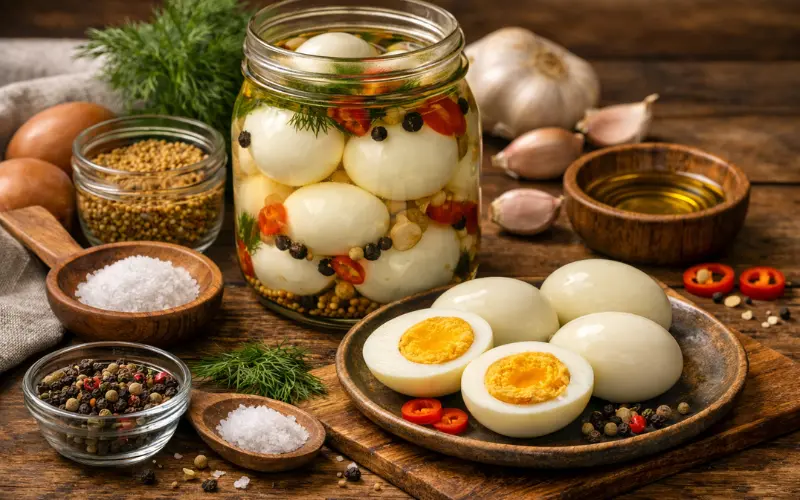
A single hard-boiled egg has less than 1 gram of carbs, so the eggs are not the concern. The brine is where carbs can sneak in.
Here is a rough breakdown per egg, based on common recipes:
- Plain vinegar brine (no added sugar): 0 to 1 net carb per egg
- Beet-brined eggs: 1 to 2 net carbs per egg, since beets carry natural sugar
- Sweetened brine with a keto sweetener: 0 to 1 net carb per egg
- Sweetened brine with real sugar (not keto): 3 to 5 net carbs per egg, and climbing depending on soak time
If you are strict about your carb count, stick with a plain vinegar brine or a Keto Pickled Eggs-sweetened one, and go easy on beet juice if you want the lowest possible carb count.
It is eaten in breakfast to enhance taste.
Why Pickled Eggs Deserve a Spot in Your Keto Routine
Beyond the carb count, pickled eggs bring a few practical advantages that make them worth keeping in your fridge:
High in protein
One egg has about 6 grams of protein, so a couple of pickled eggs make a satisfying snack that holds you over between meals.
No prep once they are made
Grab one straight from the jar. There is no chopping, cooking, or cleanup involved.
Long shelf life
Unlike deviled eggs, Keto Pickled Eggs, which spoil within a day or two, whole Keto Pickled Eggs in brine can last for weeks in the refrigerator.
Naturally gut-friendly
Vinegar-based brines contain acetic acid, which many people find easier on digestion than sugary snacks.
Budget-friendly
Eggs and vinegar cost very little, making this one of the cheapest keto snacks you can make at home.
What You Will Need
Here is a simple ingredient list to get started:
- 6 to 12 large eggs, hard-boiled and peeled
- 1 cup apple cider vinegar or white vinegar
- 1 cup water
- 1 teaspoon salt
- 1 to 2 tablespoons granulated erythritol or monk fruit sweetener (optional)
- Aromatics of your choice: garlic cloves, black peppercorns, mustard seeds, bay leaf, or fresh dill
Optional add-ins for color and flavor:
- Sliced raw or cooked beets, for a pink hue
- Sliced jalapenos, for heat
- A splash of hot sauce
- Sliced onion
How to Make Keto Pickled Eggs, Step by Step

Step 1: Hard-boil the eggs
Place eggs in a single layer in a pot and cover with an inch of water. Bring to a boil, then remove from heat, cover, and let sit for 10 to 12 minutes. Transfer immediately to an ice bath for 5 minutes before peeling.
Step 2: Make the brine
Combine vinegar, water, salt, and sweetener (if using) in a small saucepan. Bring to a gentle simmer, stirring until the salt and sweetener dissolve. Remove from heat and let it cool slightly.
Step 3: Layer the jar
Place the peeled eggs into a clean glass jar along with any aromatics or add-ins you are using.
Step 4: Pour and seal
Pour the warm brine over the eggs until they are fully submerged. Let the jar cool to room temperature with the lid off, then seal and refrigerate.
Step 5: Wait, then enjoy
Let the eggs pickle for at least 3 days for a mild flavor, or up to 1 to 2 weeks for a deeper, tangier taste.
Egg-Peeling Tips Most Recipes Skip
Peeling hard-boiled eggs cleanly is often the hardest part of this whole process, and it is rarely explained well. A few tips that actually make a difference:
- Use eggs that are 7 to 10 days old. Fresh eggs cling to their shells far more stubbornly than older ones.
- Shock them in ice water immediately after boiling. This stops the cooking process and helps the shell separate from the white.
- Crack the shell all over on a hard surface, then roll the egg gently between your palms before peeling under running water.
Flavor Variations Worth Trying
Once you have the base method down, it is easy to switch things up:
- Beet pickled eggs: Use beet juice in place of some of the water for a vibrant pink color and subtly sweet flavor.
- Spicy jalapeno eggs: Add sliced jalapenos and a splash of their brine for heat.
- Dill and garlic eggs: Add fresh dill sprigs and smashed garlic cloves for a classic deli-style flavor.
- Curry pickled eggs: Stir a teaspoon of curry powder into the brine for a warm, earthy twist.
- Everything bagel eggs: Roll the peeled eggs in everything bagel seasoning before pickling for a savory crunch.
Storage and Food Safety: What You Actually Need to Know
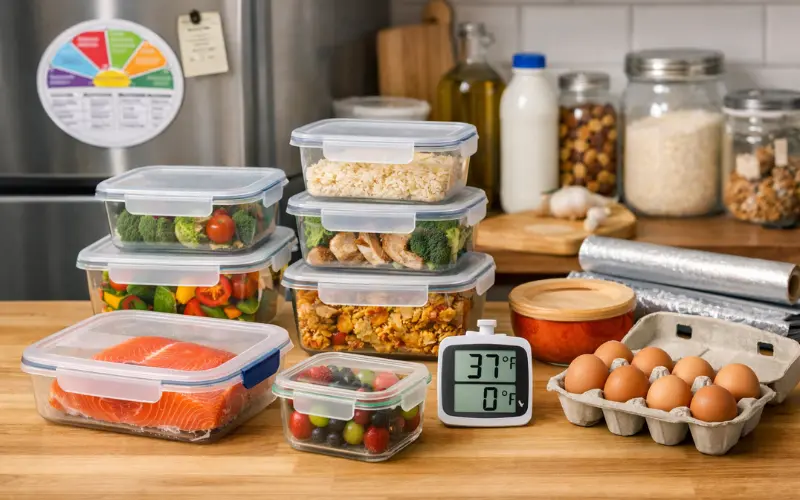
This is the part most articles gloss over, and it matters. Pickled eggs are not shelf-stable at room temperature unless they are properly canned using a tested, science-based canning method. Homemade refrigerator pickled eggs must stay refrigerated at all times.
A few safety notes worth following:
- Keep the jar in the refrigerator, never on the counter, even during the initial pickling period.
- Use a clean jar and utensils to avoid introducing bacteria into the brine.
- Keep eggs fully submerged in the brine the entire time they are stored.
- Eat refrigerated pickled eggs within 3 to 4 months for the best quality and safety, and always trust your nose. If the brine smells off or looks cloudy in a way that seems wrong, throw it out.
Common Mistakes That Ruin Pickled Eggs
- Overcooking the eggs first. This leads to a chalky, greenish yolk and a rubbery texture once pickled.
- Skipping the ice bath. Eggs that cool slowly are harder to peel and can overcook from residual heat.
- Using a weak brine. A brine that is mostly water will not preserve the eggs properly or deliver much flavor.
- Not fully submerging the eggs. Any exposed egg surface can spoil faster and will not pick up the pickling flavor evenly.
- Pickling for too short a time. A quick one-hour soak barely flavors the outside. Real flavor penetration takes days, not hours.
Serving Ideas
Pickled eggs are versatile enough to fit into more than just snack time:
- Slice and add to a salad for extra protein and tang
- Mash the yolks with mayo and mustard for a quick deviled egg filling
- Chop and mix into egg salad for a flavor boost
- Serve alongside charcuterie or a low-carb snack board
- Pack whole in a lunch box for an easy grab-and-go protein
Frequently Asked Questions
1. How long do keto pickled eggs last in the fridge?
Properly refrigerated pickled eggs typically last 3 to 4 months, though flavor and texture are best within the first month.
2. Can I eat pickled eggs every day on keto?
Yes, in moderation. They are low in carbs and high in protein, but watch your sodium intake if you eat them daily, since brines are salty.
3. Do pickled eggs need to be refrigerated?
Yes. Unless they are processed through a tested canning method, homemade pickled eggs must stay refrigerated at all times to stay safe to eat.
4. Why are my pickled eggs rubbery?
This usually happens from overcooking the eggs before pickling, or from a brine that is too acidic combined with a long soak time.
5. Can I reuse the pickling brine?
It is best to use fresh brine for each new batch of eggs. Reusing brine can weaken its acidity and increase the risk of spoilage.
6. How many carbs are in a keto pickled egg?
A plain vinegar-brined egg has close to 0 to 1 net carb. Beet-brined versions run slightly higher due to natural sugars in the beets.
7. What vinegar works best for pickled eggs?
Apple cider vinegar and distilled white vinegar both work well. Apple cider vinegar adds a slightly milder, fruitier tang.
8. Can I make pickled eggs without sugar?
Absolutely. A plain vinegar, water, and salt brine works fine, or you can add a keto-friendly sweetener like erythritol if you want a touch of balance.
9. Why do my pickled eggs turn out too sour?
A brine with too high a vinegar-to-water ratio, or a soak time that is too long, will make the eggs taste overly sour. Try diluting the brine slightly next time.
10. Can I use quail eggs instead of chicken eggs?
Yes, quail eggs work well for pickling and make a fun bite-sized version. Reduce the boiling time to about 3 to 4 minutes since they are much smaller.
Final Thoughts
Keto pickled eggs are proof that a low-carb snack does not need to be complicated or boring. With a handful of pantry ingredients and a little patience, you get a tangy, protein-rich snack that keeps for weeks in the fridge and adapts to whatever flavor you are craving that week. Start with the basic vinegar brine, get comfortable with the process, then have fun experimenting with beets, spice, or herbs until you land on your favorite version.